


 Categories
Consistent high performance in iron ore processing comes from perfecting subtle details. True mastery of the magnetic separation of iron ore lies in managing the often-overlooked operational nuances. These details profoundly impact recovery rates, machine longevity, and your final profit margin with your iron ore magnetic separator.

Core Philosophy: Precision is Everything
Magnetic separation is a precise physical process. Small deviations are amplified in the final results. Attention to detail separates a good operation from a truly excellent one. This is the key to successful magnetic separation of iron ore.
Detail Area 1: Feed Preparation
Inconsistent feed particle size is a primary enemy. An overly wide range of particles reduces separation efficiency. Fine slimes can interfere with the process. Coarse particles may contain locked middlings. This leads to poor concentrate grades from your iron ore magnetic separator.
The slurry density is a dynamic “sweet spot”. It must be actively managed. It’s not a fixed number. Monitor and adjust it based on the ore’s properties. This optimizes the performance of your magnetic separation of iron ore system.
Uniform feed distribution is non-negotiable. An uneven feed stream creates problems. It causes localized overloading and under-loading on the drum. This simple oversight directly reduces your overall circuit efficiency.
Detail Area 2: In-Process Adjustments
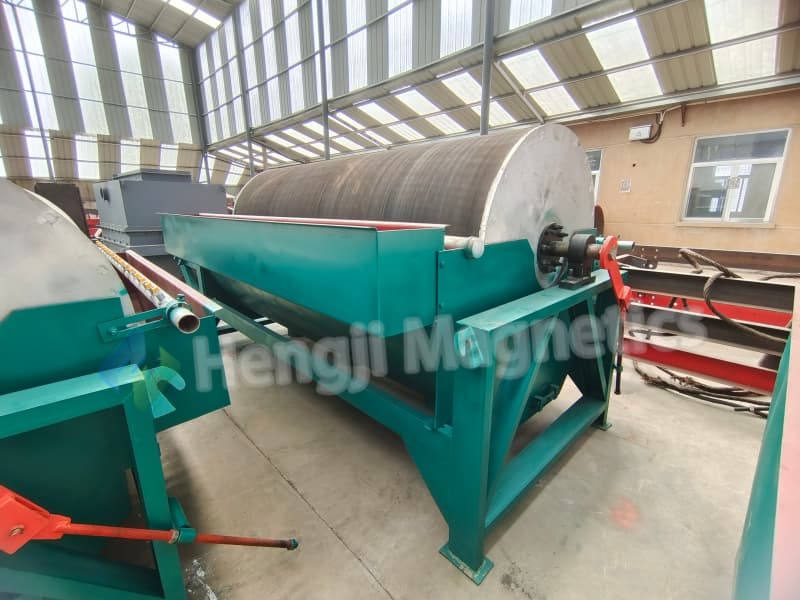
The drum-to-tank gap is a critical adjustment point. It is often neglected on an iron ore magnetic separator. A gap that is too wide weakens magnetic force. This lowers recovery. A gap that is too narrow causes turbulence. This leads to poor separation. Measure and adjust it with precision.
The magnetic angle determines where concentrate is discharged. An incorrect setting is harmful. It causes premature or delayed release. This directly harms concentrate grade. It can also cause operational issues. Verify this angle when ore characteristics change.
Concentrate wash water must be precise. Its pressure and spray angle are critical. Too little pressure leaves impurities. Too much pressure washes away valuable concentrate. This reduces the final yield from your iron ore magnetic separator.
Detail Area 3: Proactive Maintenance
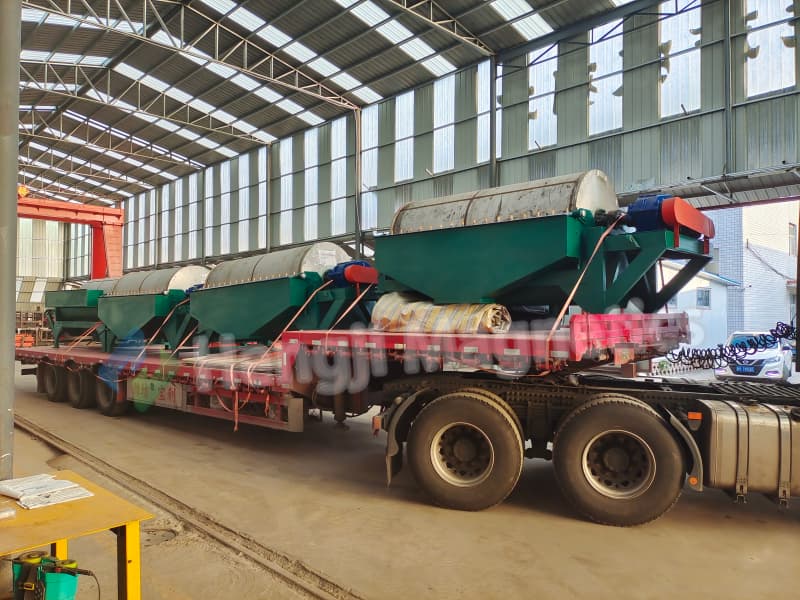
Monitor bearing temperature trends. Do not just watch for alarm thresholds. A gradual temperature increase is an early warning sign. It signals wear or lubrication failure. Catching this trend prevents costly downtime.
Practice “clean injection” for all grease points. Always wipe the grease fitting clean first. Then connect the grease gun. Introducing contaminants accelerates bearing wear. This compromises your equipment’s reliability.
Develop the skill of listening and feeling. Regularly listen for unusual sounds. Scraping or knocking noises are red flags. Feel for abnormal vibrations on the machine frame. These checks are reliable early indicators of problems.
The Result: Unlocking Consistent Performance
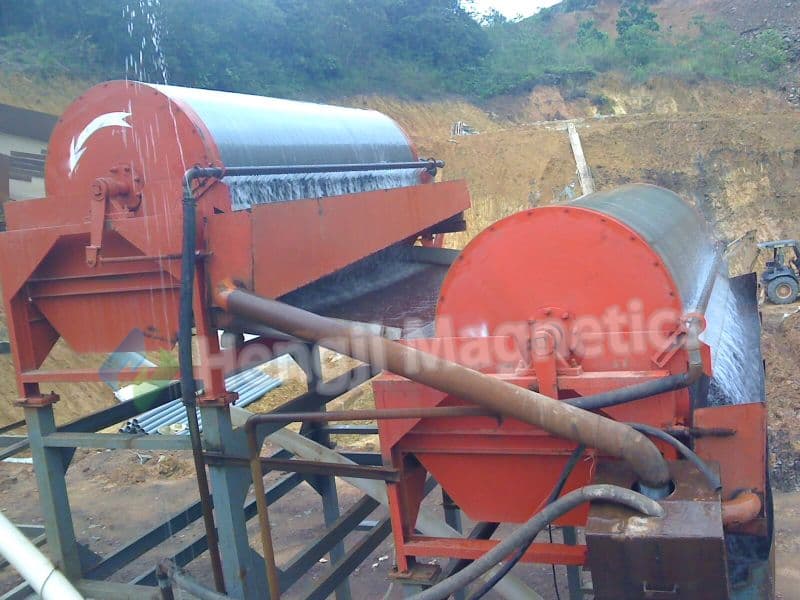
Individually, these details seem small. Collectively, they are the foundation of stable operation. Neglecting them has real costs. You may see a drop in concentrate grade. Recovery rates can fall. Unplanned downtime often increases. All of this hits your profitability directly.
Mastering the Art for Maximum Return
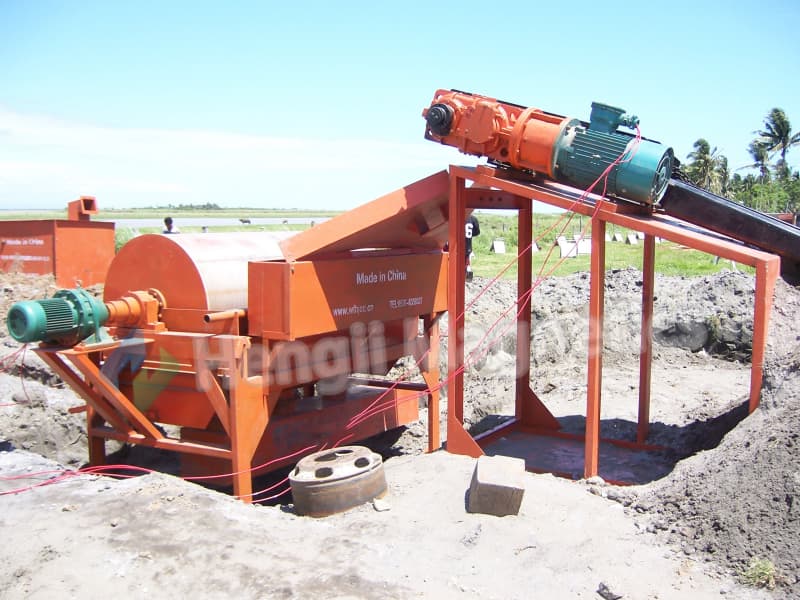
Successful magnetic separation of iron ore is a discipline of details. It requires moving beyond basic operation. It demands deeper, more attentive care. Apply this focused diligence to every aspect. You will extract maximum value from every ton of ore with your iron ore magnetic separator.
Ready to refine your process? Ready to capture that hidden value? Our experts can help you audit and optimize every critical detail. Contact us today. Ensure your iron ore magnetic separator circuit operates at its absolute peak.


