


 Categories
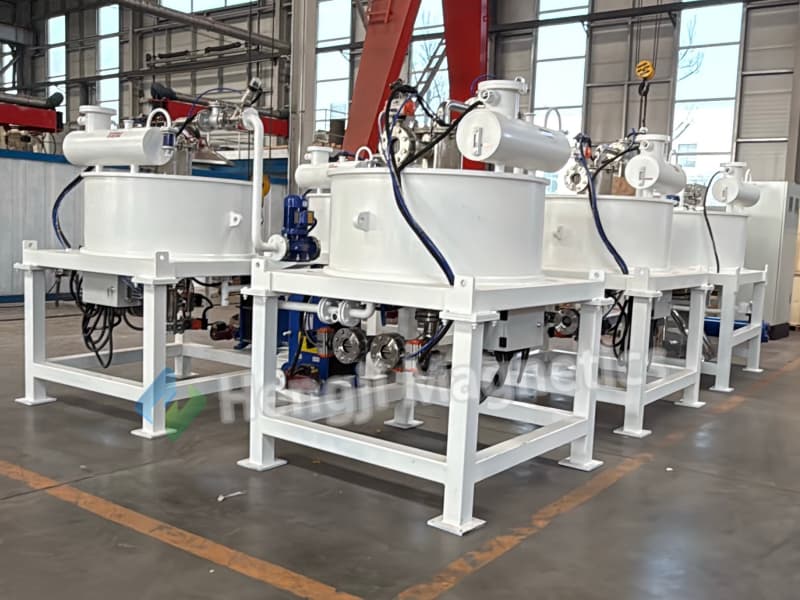
Investing in a customized magnetic separator is a significant decision for any plant. Unlike standard models, this equipment is engineered specifically for your unique process. To ensure your new industrial magnetic separation equipment delivers the promised performance and return on investment, clear communication with your supplier is essential. This guide outlines the critical technical questions you must ask before finalizing your order.
Part 1: Defining Your Process and Material
The foundation of any successful customized magnetic separator is a deep understanding of what it needs to process. Clearly define these parameters for your supplier.
 Material Characteristics
-
Name & Composition: What is the exact material (e.g., hematite ore, plastic flakes, ceramic powder)?
-
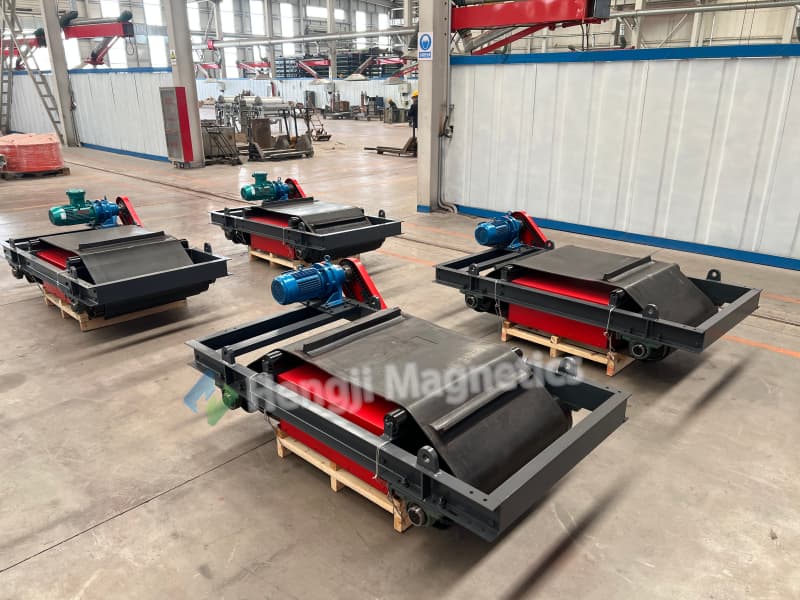
Physical State: Is it a dry powder, a wet slurry, or bulk granular material? This dictates the core type of industrial magnetic separation equipment required.
-
Particle Size Range: What is the distribution of particle sizes? Fine powders and coarse chunks have different separation needs.
-
Temperature: What is the operating temperature? High-temperature materials require specially designed customized magnetic separator units.
-
Contaminant Profile: What is the estimated ferrous content? What is the size and magnetic strength (weakly or strongly magnetic) of the impurities you need to remove?
Process Requirements
-
Required Throughput: What is your target processing capacity in tons per hour?
-
Feeding Method: Is the feed continuous or batch?
-
Performance Goal: What is your target purity or contaminant removal rate? Be as specific as possible.
 Part 2: Specifying the Equipment Configuration
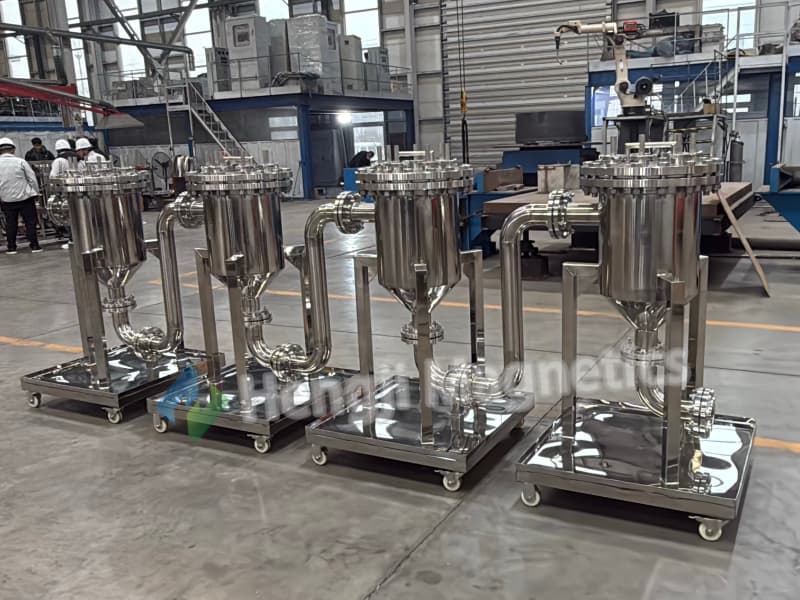
Once the material is defined, you can specify the machine. A true customized magnetic separator offers flexibility in these key areas.
Core Machine Specifications
-
Magnetic Drum or Roller: What diameter and length are needed? The magnetic field strength (measured in Gauss or Tesla) must be matched to your material’s characteristics.
-
Magnet Type & Material: Will it use high-intensity rare-earth (Neodymium) magnets or other types? The choice is crucial for performance and longevity.
-
Drum Surface: Should it be bare stainless steel, or coated with special rubber (smooth or patterned) for wear resistance and grip?
Construction & Durability
-
Materials of Construction: What grade of stainless steel or other material is required for parts contacting your product, especially in corrosive or abrasive environments?
-
Special Protections: Does the operating environment require explosion-proof (Ex-rated) industrial magnetic separation equipment, special seals, or weatherproofing?
Part 3: Installation, Integration, and Control
A perfect machine is useless if it doesn’t fit your plant. Discuss integration details early.
Installation Details
-
Integration Method: Will the customized magnetic separator be a standalone unit, or integrated into an existing conveyor as a drive pulley?
-
Space & Foundation: Provide accurate layout drawings and discuss any space constraints or specific foundation requirements.
Interfaces & Connections
-
Material Inlet/Outlet: Specify the required flange sizes or connection types for seamless piping/chute integration.
-
Electrical & Control: Define power supply needs, and discuss control interfaces. Should the industrial magnetic separation equipment connect to your plant’s PLC for automated operation?
 Part 4: Documentation, Support, and Service
The partnership with your supplier extends beyond delivery. Clarify these points upfront.
Technical Documentation
Request and review comprehensive documentation for your customized magnetic separator, including:
-
Detailed installation manuals and general arrangement drawings.
-
Electrical schematics and control diagrams.
-
A complete list of recommended spare parts.
Commissioning and Training
-
On-Site Support: Does the purchase include expert commissioning and start-up assistance at your facility?
-
Operator Training: Will the supplier provide training for your maintenance and operations team on the new industrial magnetic separation equipment?
Warranty and Long-Term Support
-
Warranty Terms: What is the warranty period, and what specific components (especially the magnet assembly) does it cover?
-
Spare Parts Availability: What is the lead time for critical spare parts? Establishing a support plan is key for minimizing future downtime.
Conclusion: Building Your Solution on a Clear Foundation
Ordering a customized magnetic separator is a collaborative engineering project. By thoroughly addressing these questions with your supplier, you transform a purchase into a partnership. Clear specifications lead to industrial magnetic separation equipment that fits perfectly, performs reliably, and becomes a valuable asset in your production line for years to come.
Ready to specify your custom solution with confidence? Contact our engineering team today. We specialize in translating complex process requirements into high-performance, reliable customized magnetic separator systems. Let’s discuss your application and build the right industrial magnetic separation equipment for you, together.


