


 Categories
At the end of production lines in mining, coal preparation, steel, and sintering plants, large volumes of waste slurry and powder containing magnetic materials are generated daily. If these magnetic media fines and ferrous contaminants are not recovered, they are lost—wasting resources and increasing environmental burdens. The disc magnetic separator designed as a magnetic waste separator is an efficient recovery solution that integrates disc-type magnetic separation with magnetic waste recovery, achieving effective separation and reuse of magnetic materials from waste streams.
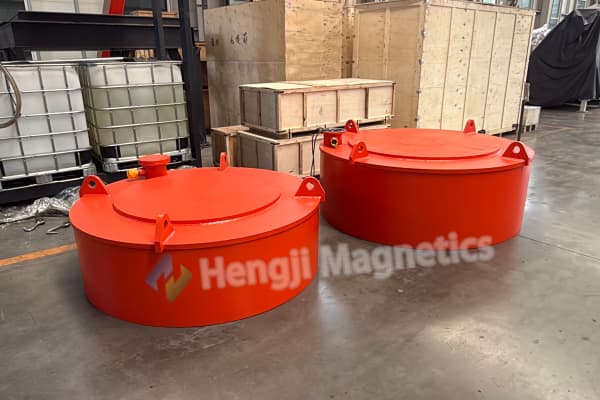
How It Works: Simple, Efficient, and Reliable
The core of the disc magnetic separator consists of a series of magnetic rings made from exposed magnet blocks, arranged with precise gaps between them. During operation, material (slurry or powder) enters the tank and flows through the gaps between the rotating discs. The magnetic particles are rapidly attracted to the magnetic pole surfaces by the strong field. The discs rotate counter‑current to the material flow, carrying the captured magnetic material out of the slurry. A V‑shaped scraper then forcibly removes the magnetic material from the disc surfaces, and a rinse system washes it into a collection launder—achieving efficient separation of magnetic from non‑magnetic materials.
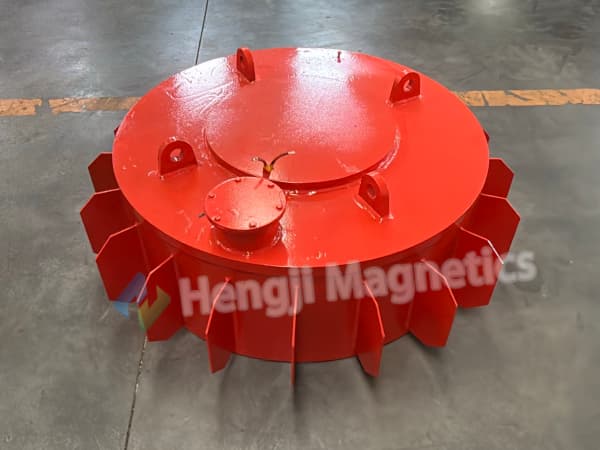 Addressing Your Core Concerns
1. What recovery rate can the disc magnetic separator achieve?
The magnetic waste separator features high field strength and closely spaced magnetic poles with no zero‑magnetic zones between discs. All material passing through the discs is exposed to the magnetic field, ensuring thorough capture of magnetic particles. Recovery rates typically reach 85% to 95%, meaning the majority of valuable magnetic media fines in the waste stream are recovered—delivering direct economic benefits.
2. Can the disc magnetic separator handle high throughput?
The disc magnetic separator is specifically designed for high‑volume, low‑grade tailings streams. The disc‑type structure significantly increases the contact area between material and magnetic poles, achieving throughput several times higher than conventional drum separators—often ten times or more. A single unit can easily handle large‑flow, low‑grade waste streams.
3. Is discharge complete? Does the disc magnetic separator clog?
Discharge uses a non‑contact V‑shaped scraper that relies on the weight of the magnetic material to achieve water‑free or minimal‑water discharge in a single step. A protective layer of mineral powder forms naturally on the disc surface, virtually eliminating disc wear—resulting in a service life eight to ten times longer than conventional units, minimizing downtime for wear part replacement.
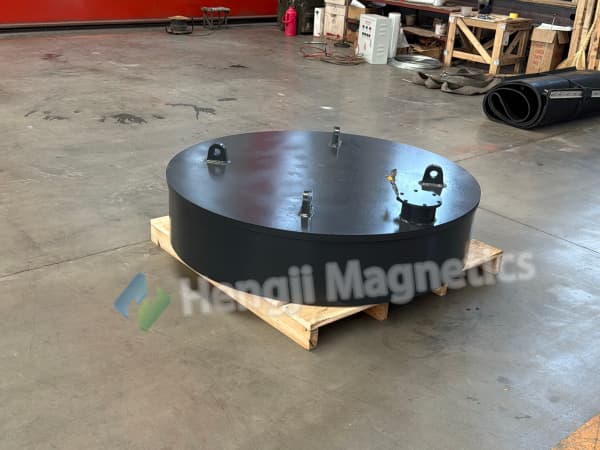 4. Does the disc magnetic separator consume large amounts of water?
Due to the unique magnetic field distribution, captured magnetic material already contains significant moisture and flows easily after discharge. Little or no additional water is required for rinsing—achieving significant water savings and reducing downstream wastewater treatment costs.
5. What is the application range of the magnetic waste separator?
The disc magnetic separator is widely used in concentrators, coal preparation plants, steel mills, and sintering plants across metallurgy, mining, non‑ferrous metals, gold, building materials, power, and coal industries. It efficiently recovers magnetic materials from waste slurries, and in powder processing applications, it also removes ferrous contaminants from dry powders—with discharged iron carrying minimal product, combining environmental and economic benefits.
Why Choose a Disc Magnetic Waste Separator?
The disc magnetic separator delivers outstanding performance across recovery rate, throughput, discharge effectiveness, water savings, and service life. It achieves efficient recovery and automatic separation of magnetic materials from waste—once started, it runs without supervision, with low operating costs, small footprint, and low power consumption. Annual returns often exceed the equipment investment by ten times or more. For operations with urgent needs for resource recovery and cost reduction, the magnetic waste separator is a trustworthy choice.
If magnetic material loss in waste streams is a concern, the disc magnetic separator deserves your serious consideration—it may be the value‑adding solution your production line needs.


