


 Categories

Tramp iron on belt conveyors is a persistent problem in power, mining, metallurgy, building materials, coal preparation, and chemical plants. Bolts, chains, and excavator teeth can scratch the belt or jam crushers and mills, causing unplanned downtime. A self-cleaning magnetic separator combined with an over belt magnetic separator design solves this problem. It lifts ferrous pieces from bulk material and discharges them automatically—no manual cleaning, no production stop. This article answers common customer questions about selection, installation, operation, and maintenance.
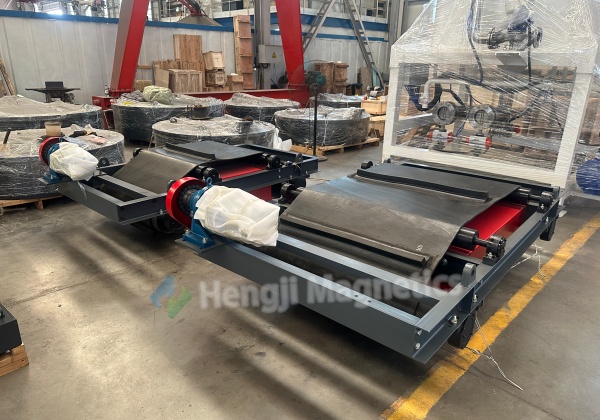
Why the Self-Cleaning Magnetic Separator Matters on Conveyor Lines
A self-cleaning magnetic separator is built for continuous duty. The magnet body and discharge mechanism work together. The unit removes ferrous items from non-magnetic bulk materials and automatically ejects captured iron. As an over belt magnetic separator, it is installed above the conveyor head or middle section. It lifts iron from the material stream and throws it into a collection bin. This prevents longitudinal belt tearing and protects crushers and mills. The self-cleaning magnetic separator therefore improves both equipment protection and production continuity.
How the Over Belt Magnetic Separator Lifts Deep-Buried Iron
A common question is whether iron buried deep in a thick material layer can still be captured. The over belt magnetic separator uses a well-designed magnetic circuit with high field strength and deep penetration. It is suitable for thick material layers. The strong permanent magnetic core can lift ferrous objects weighing from a few tenths of a kilogram to several tens of kilograms. The self-cleaning magnetic separator therefore handles deep-buried iron effectively. In practice, matching the suspension height to the rated working distance is critical. If the over belt magnetic separator is hung too high, field strength at the material surface drops and capture performance suffers.
 Automatic Discharge: How the Self-Cleaning Magnetic Separator Works
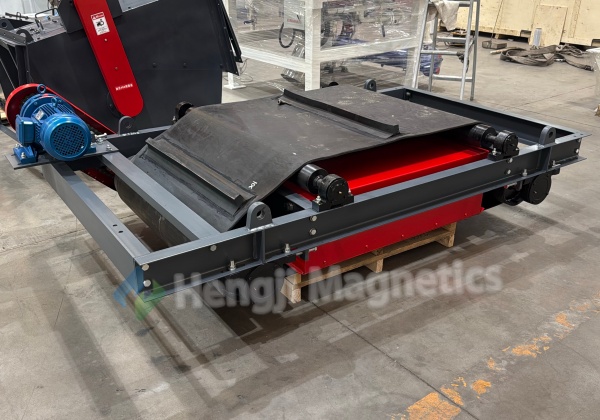
Customers often ask whether someone must watch the unit and clean iron manually. No. The self-cleaning magnetic separator discharges iron automatically. For a permanent model, the discharge belt runs continuously. Cleats on the belt scrape captured iron out of the magnetic zone and drop it into the collection bin. For an electromagnetic model, the discharge mechanism removes captured ferrous material into the bin without power-off manual cleaning. This is how the over belt magnetic separator achieves automatic iron removal and keeps the line running.
Belt Tracking and Scraper Design in the Over Belt Magnetic Separator
Belt misalignment and jamming are practical concerns. The discharge mechanism of the self-cleaning magnetic separator includes a frame, gear reducer, drive and tail pulleys, and idlers. Belt tension and tracking can be adjusted without stopping production using bearing adjustment devices. The drive pulley uses a crowned profile with automatic tracking correction, preventing discharge belt drift during high-speed operation. Fully sealed cast steel bearing housings keep dust out and extend bearing life. A rubber scraper above the discharge pulley is integrated with the endless belt. It prevents captured iron from rotating with the belt after leaving the magnetic field. The over belt magnetic separator therefore runs smoothly and safely.
Installation and Energy-Saving Operation
Installation position depends on site conditions. A suspended over belt magnetic separator has two common arrangements. At the conveyor head, if belt speed is high, the unit can be installed slightly away from the pulley so material trajectory helps iron capture. If belt speed is low, move the unit closer to the pulley. For installation above the belt, the discharge belt should run perpendicular to the main conveyor. The unit can be placed above the conveyor, picking station, or vibrating screen. Non-magnetic idlers should be installed below the separator. Before selection, provide belt width, belt speed, material layer thickness, and material properties to the manufacturer. The self-cleaning magnetic separator installation plan can then be fixed quickly.
Using a Metal Detector with the Self-Cleaning Magnetic Separator
Energy consumption matters when iron content is low. A metal detector can be added to the self-cleaning magnetic separator. The separator operates only when the detector signals tramp iron. If the detector fails, the system can switch to continuous operation. Follow the correct startup sequence: start the over belt magnetic separator first, then the conveyor belt. Stop the conveyor belt first, then stop the separator. This prevents tramp iron from slipping downstream. The self-cleaning magnetic separator therefore saves energy without compromising protection.
Maintenance and Safety Tips
Daily maintenance is straightforward. Clean dust around the unit and grease bearings regularly. Bearings typically require lithium-based grease once a week. The gearbox should be serviced according to the manual. Chains and sprockets need daily oiling. Inspect the discharge belt and power cables regularly and replace damaged parts promptly. Keep watches and instruments away from the strong magnetic field. Operators should not carry sharp ferrous tools or objects near the over belt magnetic separator. These simple practices keep the self-cleaning magnetic separator reliable and safe.
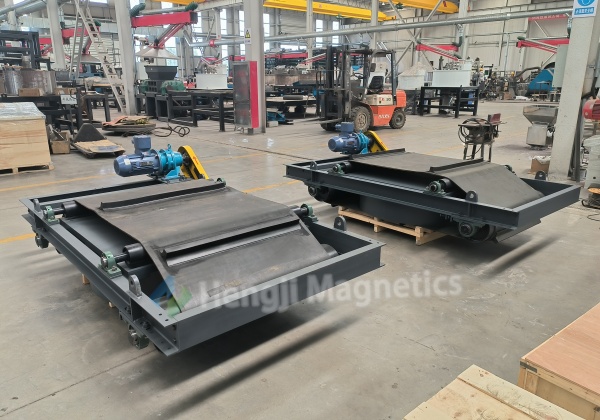 Daily Care for the Over Belt Magnetic Separator
A well-maintained over belt magnetic separator delivers long service life. Check the discharge belt for wear and tracking. Confirm that scrapers are intact. Clean the magnetic face and collection bin. Inspect the gear reducer for oil leakage. These routine checks prevent unexpected downtime and keep iron removal performance stable. The self-cleaning magnetic separator is designed for low maintenance, but regular attention to belts, bearings, and scrapers ensures consistent results.
Case Study: Self-Cleaning Magnetic Separator in Mining Processing
A mining concentrator used belt conveyors to transport lump ore. The material layer was thick, and tramp iron appeared intermittently. Manual cleaning was labor-intensive and often led to crusher jams. Hengci Magnetic supplied a self-cleaning magnetic separator with a strong magnetic core for this duty. It lifted iron buried in the material and automatically discharged it into the collection bin. No power-off manual cleaning was required. A metal detector was also added because iron content was low. The over belt magnetic separator operated only when tramp iron was detected, avoiding idle power consumption. After commissioning, iron entering the crusher dropped significantly. Belt tearing and crusher jams were effectively controlled. The self-cleaning magnetic separator improved production stability and reduced maintenance workload.
Conclusion: Choose the Right Self-Cleaning Over Belt Magnetic Separator
Selecting a self-cleaning magnetic separator means matching magnetic force, installation position, and site conditions. Provide material properties, belt parameters, iron size, and available space. Hengci Magnetic can then recommend the right over belt magnetic separator solution. With the correct self-cleaning magnetic separator and over belt magnetic separator, tramp iron is intercepted before downstream equipment. Production runs more smoothly, maintenance costs drop, and equipment life improves.


