


 Categories
A healthy magnetic drum separator hums with a smooth, steady rhythm—the sound of reliable operation. But what happens when that harmony breaks, replaced by grinding, screeching, or clanking? For any critical piece of processing equipment, unusual noises are an early warning system. Your permanent magnetic separator is telling you something is wrong. Learning to interpret these sounds can prevent catastrophic failure, protect your downstream process, and save you from costly, unplanned downtime.
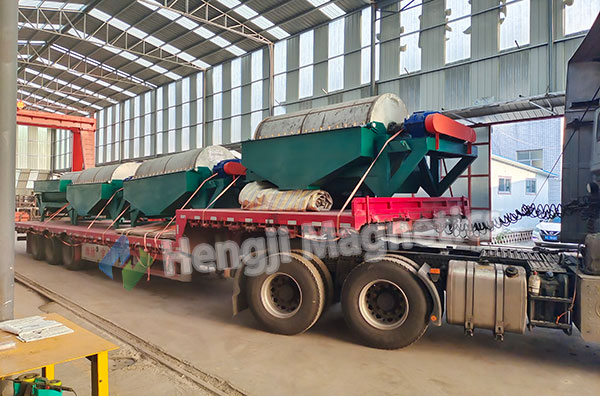
The Healthy Baseline vs. The Warning Signs
Under normal conditions, a well-maintained permanent magnetic separator should run with a consistent, low-pitched hum. The key is noticing changes. Any new, intermittent, or harsh sound is a signal. Most issues stem from mechanical wear, misalignment, or a breakdown in the critical clearance between the rotating drum shell and the internal, stationary magnet array. Ignoring these audible clues often leads directly to degraded magnetic performance and equipment damage.
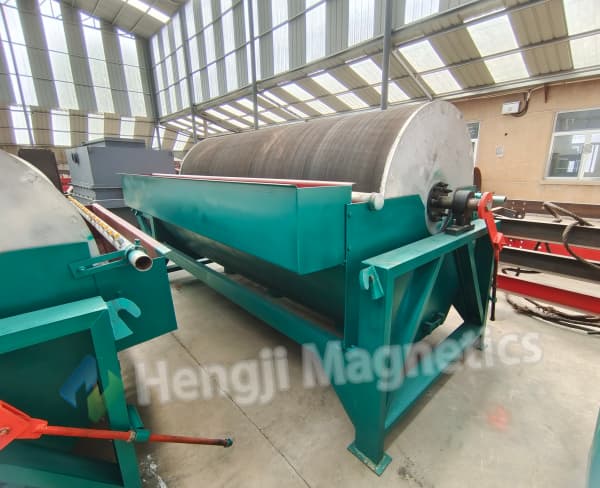 Diagnosing by Sound: Your On-Site Troubleshooting Guide
Here’s a practical guide to common sounds and what they typically mean for your magnetic drum separator.
1. High-Pitched Scraping or Grinding
-
What you hear: A sharp, metallic screech or sustained grinding from the drum area.
-
Likely Cause: Physical contact. The rotating drum is likely rubbing against a stationary part, like the tank/sluice, a misadjusted concentrate laundar, or a lodged piece of tramp metal.
-
Immediate Risk & Action: This sound indicates immediate physical damage. Stop the equipment. Inspect the drum shell for fresh scratches or grooves. Check and adjust all clearances as per your manual. A scored or dented drum shell on a permanent magnetic separator can disrupt the magnetic circuit and severely impact separation efficiency.
2. Rhythmic Clunking or Banging
-
What you hear: A heavy, repetitive “thud” or “clunk” that corresponds with the drum’s rotation.
-
Likely Cause: Severe mechanical looseness. This often points to loose or broken foundation bolts, drive motor mounts, or severe internal component failure like a damaged bearing race.
-
Immediate Risk & Action: This vibration is destructive. Schedule an immediate shutdown. Check and torque all mounting bolts and inspect the mechanical drive train. Continued operation risks major structural damage to your magnetic drum separator and supporting framework.
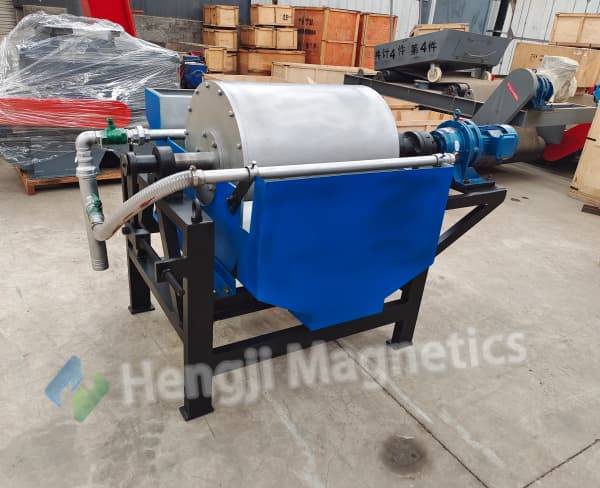 3. Squealing or Shrieking from the Bearings
-
What you hear: A persistent, high-frequency squeal or whine, most audible near the drum’s end brackets.
-
Likely Cause: Bearing distress due to lack of lubrication, contamination, or impending failure. Dry metal-on-metal contact creates this distinctive sound.
-
Immediate Risk & Action: This is a critical warning. The bearings supporting your permanent magnetic separator drum are failing. Stop soon to inspect and re-lubricate with the correct grease. If the sound persists after lubrication, the bearing is likely damaged and must be replaced to prevent a seizure that could stall the drum and damage the drive motor.
4. Clicking or Rattling in the Drive
-
What you hear: An irregular clicking, chattering, or rattle from the motor or gearbox area.
-
Likely Cause: Issues with the power transmission. This could be a loose drive chain, worn sprocket teeth, misaligned couplings, or problems within a gear reducer.
-
Immediate Risk & Action: This affects the smooth rotation of the drum. Investigate the drive system. Tighten or replace the chain, check gearbox oil levels, and ensure all couplings are aligned. An erratic drive can cause pulsating performance in your magnetic drum separator.
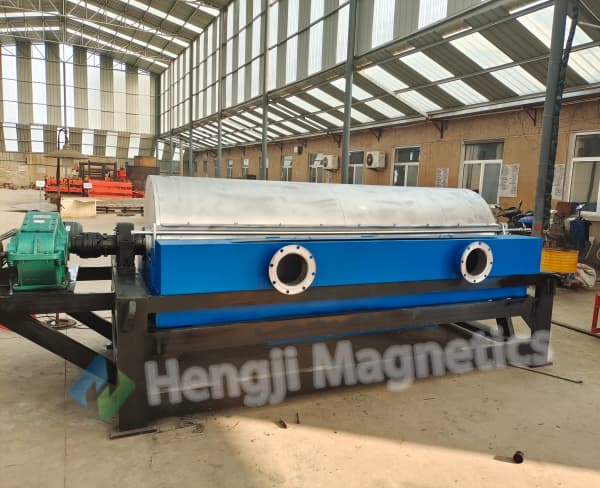 Your Action Plan When You Hear Trouble
-
Identify & Locate: Safely pinpoint where the sound is loudest. Is it at the drum, the bearings, or the drive end?
-
Assess Urgency: Scraping and severe banging require immediate stop. Squealing or clicking needs prompt attention.
-
Safe Lockout & Inspection: Follow lock-out/tag-out procedures. Visually inspect the area you identified, looking for obvious signs of wear, looseness, or contact.
-
Consult Your Manual: Refer to your permanent magnetic separator maintenance guide for lubrication points, clearance specs, and torque values.
-
Test After Repair: Any adjustment or repair must be followed by a no-load test run to confirm the abnormal noise is resolved.
Conclusion: Don’t Ignore the Conversation
Your magnetic drum separator communicates its health through sound. Developing an ear for these changes is a powerful form of predictive maintenance. By acting on these audible warnings—addressing a squeal before a bearing fails, or a scrape before the drum is gouged—you protect the integrity of your permanent magnetic separator investment. This proactive approach ensures consistent mineral recovery, maximizes equipment lifespan, and keeps your production line running smoothly and quietly. Listen closely; your separator is speaking to you.


