


 Categories
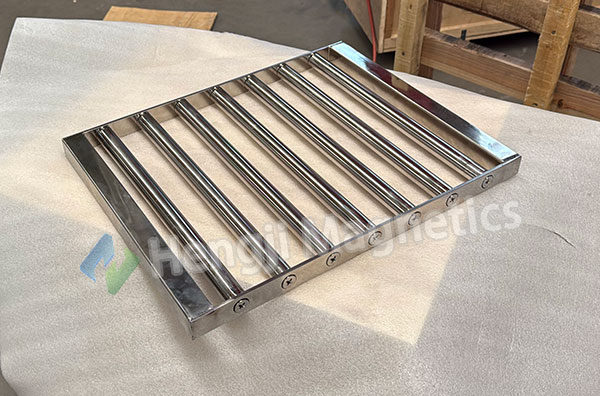
When your magnetic rod becomes completely covered with captured iron, it’s not just full—it’s failing. A saturated rod magnet loses its ability to attract new contaminants, creates flow restrictions in your pipeline, and can even shed previously captured debris back into your product. Proper cleaning and maintenance are essential to keep your rod magnets operating at peak efficiency. This step-by-step guide will show you how to safely and effectively clean your magnetic rods, ensuring they continue to protect your product quality.
Why Regular Cleaning Matters
A clean magnetic rod is a powerful rod magnet. When iron particles accumulate on the surface, they create a magnetic “shield” that blocks the field from reaching new contaminants. This leads to:
-
Drastic drop in separation efficiency.
-
Increased risk of clogs and blockages in pipelines.
-
Potential product contamination from dislodged debris.
-
Premature wear and magnetic degradation.
Step 1: Safety First – Prepare Before You Start
Never attempt to clean rod magnets without proper precautions. Follow these essential safety steps:
-
Personal Protective Equipment (PPE): Wear cut-resistant gloves to protect against sharp metal edges, safety glasses to guard against flying particles, and long-sleeve clothing.
-
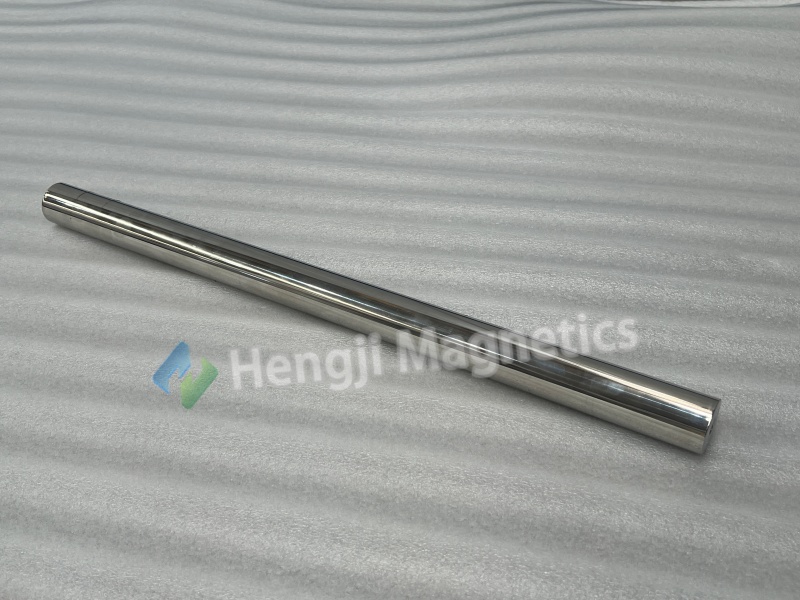
Gather Tools: Prepare soft scrapers (plastic or wood), soft brushes, lint-free cloths or thick cotton gloves, a collection tray (plastic), and sealable bags for waste.
-
Isolate the Area: Perform cleaning away from production lines to prevent secondary contamination. Ensure the area is clean and designated for maintenance.
 Step 2: Standard Cleaning Procedure for Magnetic Rods
Follow this systematic process for cleaning your rod magnets, especially those installed in pipeline applications.
A. Shutdown and Isolation
-
Stop all material flow and power to the equipment.
-
Close upstream and downstream valves. Depressurize and drain the line if necessary.
-
Follow lockout/tagout procedures to ensure the system cannot be accidentally restarted.
B. Remove the Magnetic Rod Assembly
-
Use the appropriate tool (e.g., hex wrench) to loosen clamps or flange bolts.
-
Gently and steadily withdraw the magnetic rod assembly from the housing. Avoid sudden movements that could dislodge captured iron.
-
Immediately place the rods vertically on a clean plastic tray or mat to contain any falling debris.
C. Core Cleaning Techniques
Dry Cleaning (Most Common Method):
-
Put on thick cotton gloves or wrap a lint-free cloth completely around one rod magnet.
-
Grip firmly and wipe from one end to the other in a single, smooth motion. Do not scrub back and forth, as this can embed particles.
-
Repeat until the surface is visibly clean. Shake or tap the cloth to release collected iron into the waste container.
Wet Cleaning (For Sticky Materials):
-
If processing sticky products like chocolate or jam, rinse the magnetic rod with low-pressure warm water (below 60°C). Never use steam or high-pressure jets—heat and impact can permanently demagnetize the rod magnet.
-
Immediately dry with a soft cloth, then follow the dry cleaning steps to remove any remaining particles.
D. Inspection and Deep Cleaning
-
After cleaning, inspect each magnetic rod under good light. Look for any remaining debris, scratches, or damage to the stainless steel sleeve.
-
Check for dents, cracks, or wear that could expose the internal magnets. Replace any damaged rod magnets immediately to prevent product contamination.
-
Wipe the rods and housing seals with a food-grade sanitizer or alcohol if required by your industry.
E. Reinstall Carefully
-
Ensure the housing interior is clean and free of debris.
-
Reinsert the magnetic rod assembly smoothly and evenly, making sure it seats properly.
-
Tighten clamps or bolts evenly to the specified torque to prevent leaks.
 Step 3: Maintenance Best Practices for Rod Magnets
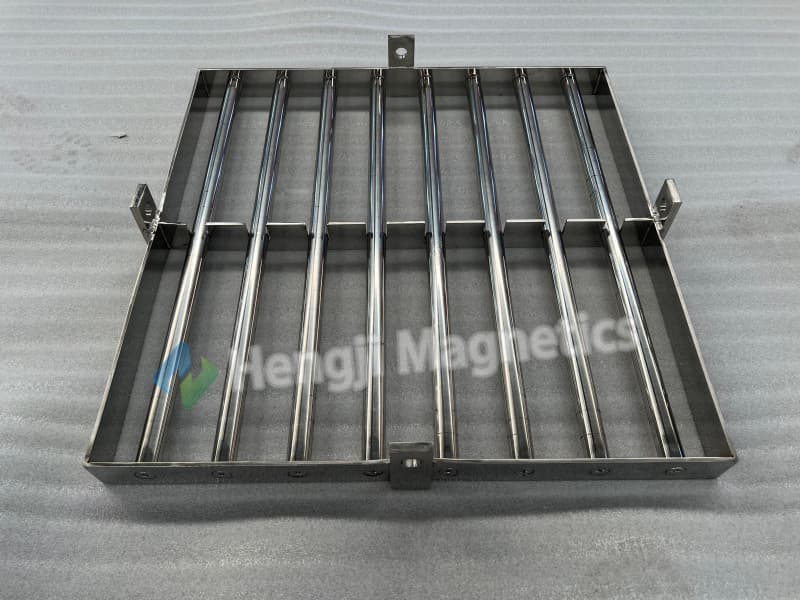
To maximize the life and performance of your rod magnets, adopt these practices:
Establish a Cleaning Schedule
-
Do not wait until the magnetic rod is completely covered. Set a routine based on time (e.g., every shift or daily) or production batch. Heavily contaminated materials require more frequent cleaning.
Performance Monitoring
-
Gauss Meter Testing: Periodically measure the surface field strength of your rod magnets with a Gauss meter. A drop of more than 20-30% from the initial reading indicates aging and the need for replacement.
-
Simple Pull Test: After cleaning, test a rod magnet with a small steel object like a paperclip to confirm strong, even attraction.
Storage and Handling
-
Store spare rod magnets in pairs with opposite poles facing each other, or attached to a steel plate, to maintain magnetic strength.
-
Never drop, strike, or allow rod magnets to slam together. Mechanical shock can crack magnets and cause irreversible demagnetization.
Record Keeping
-
Maintain a log for each rod magnet assembly, noting cleaning dates, operator, observations, and any issues. This data helps track contamination trends and optimize maintenance intervals.
 Step 4: Proper Disposal of Collected Iron
-
Collected iron particles are industrial waste. Seal them in bags or containers and dispose of according to your facility’s environmental and safety regulations. Never discard loosely, as it can create hazards and re-contaminate the area.
Summary: The Clean Magnet Mantra
-
Safety gear, always worn.
-
Clean often, before full.
-
Handle with care, avoid heat and shock.
-
Inspect and record, every time.
-
Test performance, replace when weak.
Following this guide ensures your magnetic rod and rod magnet systems remain reliable guardians of your product purity. Regular, proper maintenance not only extends their service life but also protects your process from unexpected contamination and downtime. Keep your rod magnets clean, and they will keep your product clean.


