


 Categories

In cement, chemical, plastics, coal, refractories, building materials, and food industries, some workstations have no conveyor belt. Only a discharge chute or a section of conveying pipe is available. Material moves inside a closed pipe, and tramp iron mixed into the material cannot be seen by the naked eye. The pipeline magnetic separator combined with a self cleaning magnetic separator design is built for these conditions. It consists of a non-magnetic pipe section and a permanent magnet assembly. The permanent magnet uses high-performance rare earth magnets in a composite magnetic circuit. It is small, powerful, lightweight, clean in iron removal, energy-free, and long-lasting. It is suitable for sites without a conveyor belt where only a discharge chute is available. This article explains installation angle, dust and carryover control, height difference, commissioning, maintenance, and safety.
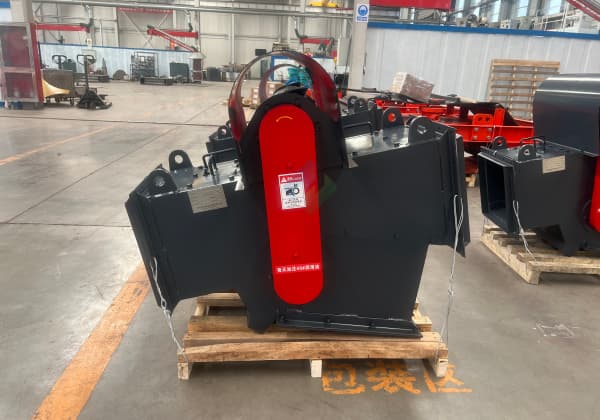
Why the Pipeline Magnetic Separator Must Be Installed at the Correct Angle
Working Principle and Material Trajectory
The basic principle of the pipeline magnetic separator is inclined installation and series connection with the material conveying pipe. When material passes through the self cleaning magnetic separator, the raw material slides by inertia. Ferrous material is attracted to the bottom wall of the pipe and moves forward with the moving magnetic assembly. When the material reaches the separation point, it has some velocity from inertial sliding. There is a drop between the separation point and the material outlet. The velocity and drop form a parabolic trajectory that throws the material out of the equipment. Therefore, the pipe inclination must reach the design angle. Otherwise, material leakage will occur. This point is emphasized repeatedly in installation instructions for the pipeline magnetic separator.
Why Incorrect Angle Causes Leakage
If the angle is too low, material velocity at the separation point is insufficient. The material may fall through the iron outlet instead of being thrown out through the normal outlet. The self cleaning magnetic separator then leaks material along with discharged iron. If the angle is too high, the material trajectory may change and affect separation. The correct design angle is not optional. It is a basic requirement for the pipeline magnetic separator to work properly. Installers should use a level and angle gauge during installation. Do not rely on visual estimation.
Dust Control and Discharge Port Design for the Self Cleaning Magnetic Separator
Negative Pressure and Dust Collection
Customers often encounter dust and material carryover at the iron outlet after commissioning. Ferrous material moves with the magnetic assembly to the concealed iron outlet at the bottom of the self cleaning magnetic separator. The magnetic assembly rotates in the opposite direction. Iron loses magnetic attraction at the outlet and falls by gravity. A small amount of material may be carried out with the iron. Even a small amount can create dust, which wastes material and pollutes the environment. Therefore, the pipeline magnetic separator requires negative pressure inside the pipe. If the installation pipe already has negative pressure, no additional equipment is needed. If there is no negative pressure, an external dust collection pipe must be connected.
Discharge Port and Collection Trough
The discharge port should not be sealed directly to the slag discharge pipe. Use a rectangular collection hopper or a trough-type slag collection trough. The distance between the iron outlet and the collection hopper should be about 60 mm. This prevents large tramp iron from blocking the slag discharge pipe. It also allows manual removal of obstructions at the discharge port when necessary. The self cleaning magnetic separator should be installed with this clearance. Proper discharge design keeps the pipeline magnetic separator clean and safe.
Height Difference and Installation Position
Minimum Height Difference from the Feed Inlet
The installation position of the pipeline magnetic separator should be at least 3 meters below the feed inlet of the same pipe. This height difference allows the material to gain sufficient velocity when passing through the equipment. If the height difference is too small, material velocity may be too low. Material may then leak from the iron outlet. This is an easily overlooked installation requirement. The self cleaning magnetic separator should be positioned with enough vertical drop. Check the site layout before installation. If the required height difference cannot be met, redesign the pipeline route or add a vertical section.
Matching the Pipeline Magnetic Separator to Site Conditions
Material temperature and environmental conditions must also be confirmed. Different specifications have different material temperature limits. Pipe inclination, negative pressure, and ambient temperature have corresponding requirements. Indoor installation is preferred. Outdoor installation requires rain protection. Pipe negative pressure should generally be not lower than -50 Pa. These conditions ensure reliable operation of the pipeline magnetic separator and self cleaning magnetic separator.
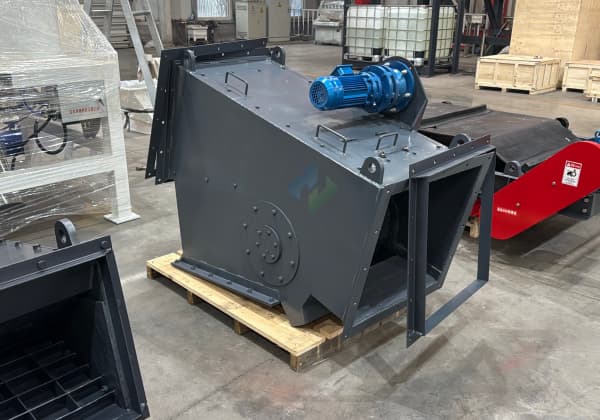
Commissioning and Maintenance
Checking Rotation Direction
At first startup, check whether the equipment movement direction is correct. Observe the rotation direction of the gear motor. It should match the arrow on the housing. Alternatively, open the side viewing port and place a small ferrous object on the adsorption partition surface. If the object moves downward and exits through the iron outlet, the direction is correct. If the direction is wrong, stop the machine immediately and change the motor rotation direction before testing again. Correct rotation is essential for the self cleaning magnetic separator to discharge iron properly.
Sealing, Lubrication, and Electrical Connection
Between the inlet and outlet flange connection surfaces, rubber gaskets or other sealing gaskets must be installed. This ensures sealing performance and prevents dust escape. Before use, inject an appropriate amount of calcium-based grease through the grease cup on the side plate of the housing. Check whether the gear reducer has lubricating oil. The electrical control system of the pipeline magnetic separator can be connected directly to the power supply for standalone operation, or connected to the central control system. These commissioning steps keep the self cleaning magnetic separator reliable.
Daily Maintenance and Safety
Daily maintenance is simple. If no special fault occurs, routine checks mainly involve cleaning dust around the equipment. At the end of each work cycle, clean iron attached to the magnetic system promptly and thoroughly. This avoids unnecessary magnetic consumption. After each iron discharge, tighten the equipment. The magnetic system uses strong permanent magnets. Do not use ferrous tools or sharp objects near the magnetic field. The magnetic field can seriously damage heart pacemakers. People with pacemakers must not approach the pipeline magnetic separator. Do not bring magnetic storage devices near the self cleaning magnetic separator, such as computer hard drives, tapes, credit cards, or mobile phones. These devices may become unusable.
Case Study: Pipeline Self Cleaning Magnetic Separator in Cement Powder Handling
Solving Leakage and Dust Problems
A cement company had a discharge chute with no space for belt-type iron removal equipment. Iron in the material could only be found by manual inspection during shutdowns. After installing a pipeline iron removal device, dust at the iron outlet and occasional material leakage occurred. Hengci Magnetic reviewed the installation conditions. The pipe inclination was adjusted to the design angle. An external dust collection pipe was connected to provide negative pressure. The magnet temperature rating was checked against the powder temperature. The installation position was adjusted to maintain sufficient height difference from the feed inlet. After adjustment, leakage and dust problems were solved. The pipeline magnetic separator was connected in series in the pipeline and performed continuous automatic iron removal. No dedicated operator was required after startup. This case demonstrates the value of the self cleaning magnetic separator in real production.
Conclusion: Choose the Right Pipeline Magnetic Separator and Self Cleaning Magnetic Separator
Selecting a pipeline magnetic separator and self cleaning magnetic separator means matching material name, particle size, flow rate, pipe size, material temperature, and site negative pressure. Provide these details to Hengci Magnetic. We will configure the installation angle, magnetic system, and whether an external dust collection pipe is needed. With the right pipeline magnetic separator and self cleaning magnetic separator, invisible tramp iron in closed pipes is intercepted before it reaches downstream equipment. Production runs more smoothly, dust is controlled, and maintenance costs drop.


