


 Categories
You’ve invested in a high-performance plate magnetic separator for your wet processing line. You’ve chosen the right model, confirmed the specifications, and prepared the site. But have you asked the most critical question: is this the right location? The effectiveness of a liquid magnetic separator is not determined solely by its internal magnets. It is determined by where you place it in your process flow. Install it in the wrong spot, and even the most powerful machine will underperform. Put it in the right position, and it becomes a precision tool for recovery, purification, and profit. This guide explains how to find that optimal location.
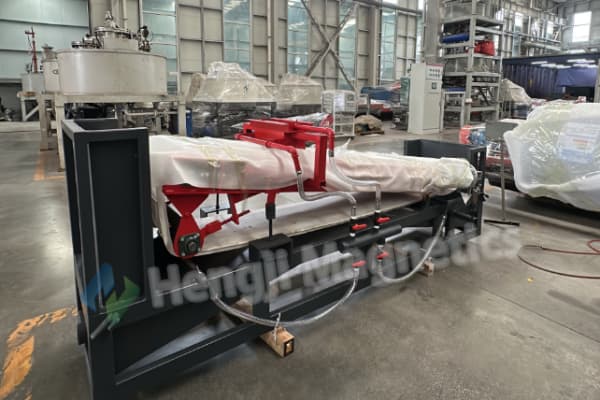
The Core Principle: Define the Machine’s Role First
Before choosing a physical location, you must define the process role of your plate magnetic separator. What job is it being asked to do?
-
Roughing (Scalping): Treating large volumes of feed to discard non-magnetic tailings early, reducing load on downstream processes.
-
Cleaning (Upgrading): Polishing a rough concentrate to remove final impurities and achieve high-grade product.
-
Scavenging (Recovery): Extracting residual magnetic values from final tailings or intermediate streams to boost overall recovery.
-
Final Polishing: Acting as the last quality checkpoint before product dewatering or drying, ensuring iron content meets specifications.
Each role demands a different position in your flow sheet. There is no single “best” location—only the best location for your objective.
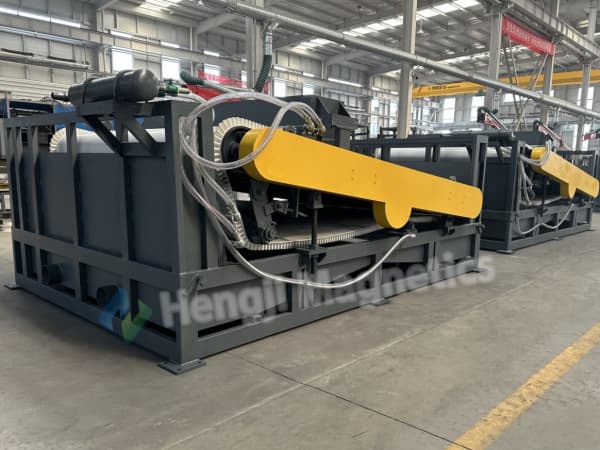 Option A: Roughing Position – Maximum Early Waste Rejection
Best Location: Immediately after the first stage of grinding and classification, before any downstream thickening or flotation.
Why This Works:
At this point, your ore has reached sufficient liberation, and solids concentration is typically ideal (30-40%). Placing a liquid magnetic separator here allows it to capture a significant portion of magnetic minerals and discard waste before it consumes energy, chemicals, and capacity in subsequent steps. The economic impact of reducing load on your grinding circuit and flotation cells is substantial.
Installation Notes:
Feed to your plate magnetic separator must be stable in both flow and density. Install a constant-head feed box or small agitated tank ahead of the unit to smooth out fluctuations from upstream processes.
Option B: Cleaning Position – Achieving Premium Grade
Best Location: After a roughing stage (either another magnetic separator or a gravity concentrator), just ahead of your final product thickener or filter.
Why This Works:
The material entering your liquid magnetic separator at this point is already a concentrate, but it contains locked particles or weakly magnetic impurities. The high-gradient field of a quality plate magnetic separator excels at removing these final contaminants, delivering the high-grade product that commands premium prices.
Installation Notes:
Feed density can be higher here, but dispersion is critical. Ensure adequate mixing or consider a small dose of dispersant ahead of the liquid magnetic separator to prevent particle agglomeration.
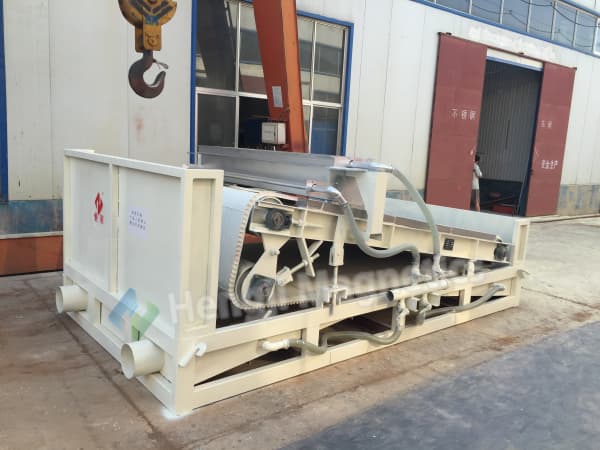 Option C: Scavenging Position – Recovering Every Dollar
Best Location: On the tailings stream from your primary recovery process (e.g., flotation tailings or shaking table rejects).
Why This Works:
Even efficient processes lose some valuable magnetic minerals to waste. Installing a plate magnetic separator on this stream acts as a safety net, recovering residual values and improving your total plant recovery. This is particularly effective when processing ores with a range of magnetic susceptibilities.
Installation Notes:
Tailings flows can be erratic. Install a surge tank or sump with a controlled pump feed to provide a consistent, manageable flow to the liquid magnetic separator.
Option D: Final Polishing Position – The Quality Gate
Best Location: Immediately before the product enters its final dewatering step—just ahead of your filter press, dryer, or storage tank.
Why This Works:
This is the last chance to remove any ferrous contamination before your product ships. For industries with strict iron specifications (ceramics, glass, high-purity fillers), this position is non-negotiable. A plate magnetic separator here acts as a reliable quality gate.
Installation Notes:
Place the liquid magnetic separator in series with a safety screen to catch any non-magnetic debris. Accessibility for cleaning and inspection must be excellent, as this unit’s performance directly impacts final product quality.
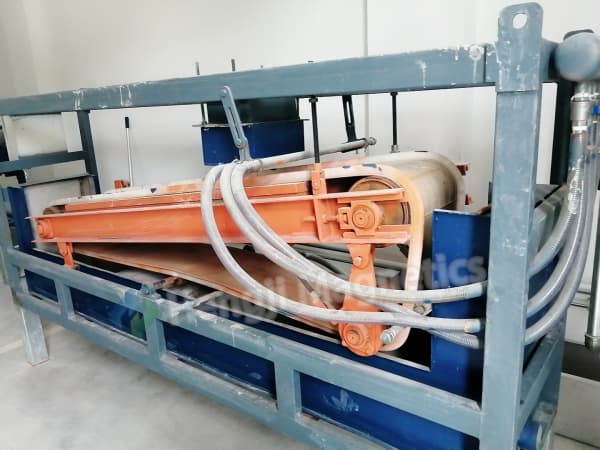 Universal Installation Requirements – Get the Basics Right
Wherever you position your plate magnetic separator, these physical installation conditions are mandatory:
Foundation and Leveling:
-
Mount on a rigid, vibration-free concrete or steel foundation.
-
Level the frame precisely using a machinist’s level, with the magnetic plate as the reference. An un-level liquid magnetic separator guarantees belt mistracking and uneven material distribution.
Feed Introduction:
-
Feed must enter smoothly across the full width of the belt, via an overflow weir or distribution box. Never allow a single jet or stream to hit the plate magnetic separator.
-
The feed point should be at the start of the effective magnetic zone.
Water Systems:
-
Connect all wash and rinse water lines with adequate pressure (typically ≥0.25 MPa) and volume.
-
Enforce the operating sequence: Start water before starting the belt; stop the belt before stopping water. This prevents magnetic material from drying and bonding to the liquid magnetic separator components.
Access:
-
Position the control panel in a dry, accessible location.
-
Leave adequate clearance around the unit for belt changes and maintenance as specified in your manual.
Conclusion: Let Your Process Guide the Position
There is no single magic location for a liquid magnetic separator. The right place is the one that aligns with your process goal—whether that’s early waste rejection, final purification, or value recovery. By first defining the role of your plate magnetic separator and then matching it to the node in your flow sheet that best suits that role, you ensure your investment delivers its full potential. Get the position right, and the performance will follow.


