


 Categories
Is your suspended over-belt separator not performing as it should? A drop in magnetic pull is a common issue. Often, the problem is simple. It’s not a broken part, but an installation setting. This guide focuses on the primary cause for a magnetic separator for belt conveyor losing power and provides clear, actionable steps to restore its full strength.
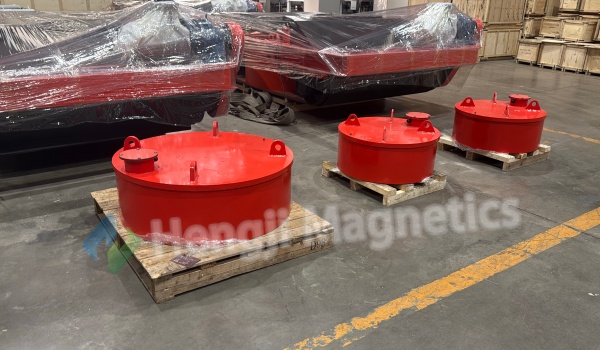
The Universal Culprit: Suspension Height is Too High
How Magnetic Force Works Over Distance
Magnetic strength decreases rapidly with distance. This is a key physics principle. If your magnetic plate separator is hung too far from the belt, its power is greatly reduced. It’s like trying to grab something with your arm fully stretched versus having it right in front of you. The closer you are, the stronger your grip.
Understanding the “Rated Suspension Height”
Every magnetic separator for belt conveyor has a critical specification. This is the “Rated Suspension Height.” It is found in the equipment manual or on the nameplate. This height is the maximum distance the magnet can be from the belt’s surface while still guaranteeing its advertised pulling force.
The Most Common On-Site Error
The number one reason for weak performance is simple. The magnetic plate separator has been installed above this rated height. This often happens during conveyor modifications or when material bed depth changes. The magnet wasn’t lowered to compensate.
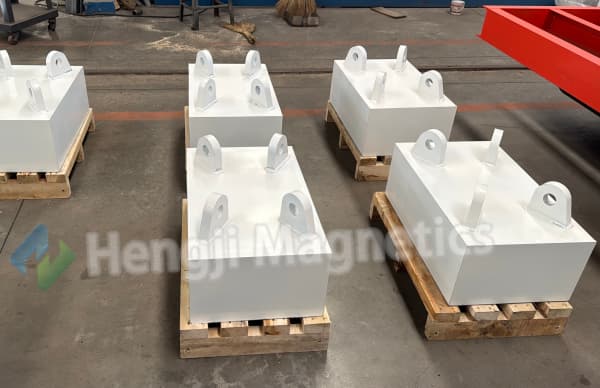
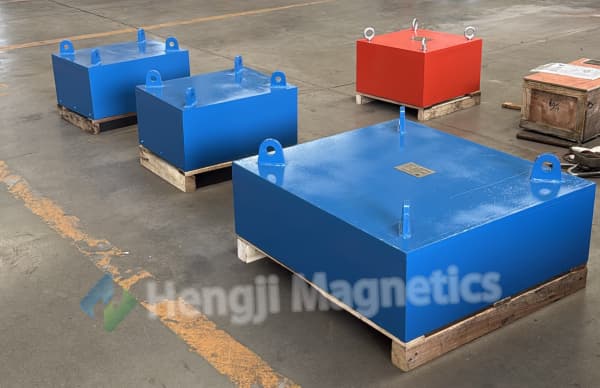
The Simple Fix: Lower the Separator
Step 1: Measure Your Current Height
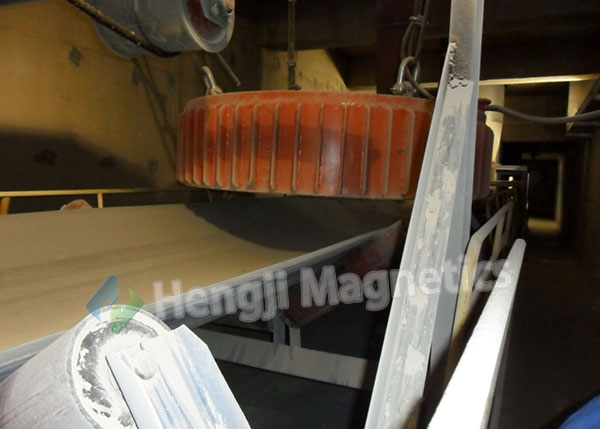
First, measure the actual distance. Use a tape measure. Find the gap between the bottom face of the magnetic separator for belt conveyor and the top of the belt or the peak of the material burden. Compare this number to the “Rated Suspension Height” in your manual.
Step 2: Adjust the Height Safely and Correctly
If your measurement is greater than the rated height, you need to lower the unit. Do this safely. Ensure the conveyor is locked out. Use proper lifting equipment. Lower the magnetic plate separator slowly and carefully.
The Height Adjustment “Sweet Spot”
There are two limits for your final height. The upper limit is the Rated Suspension Height from your manual. Never exceed it. The lower limit is practical clearance. The magnet must not touch the belt or material. Find a stable position safely within these two boundaries.
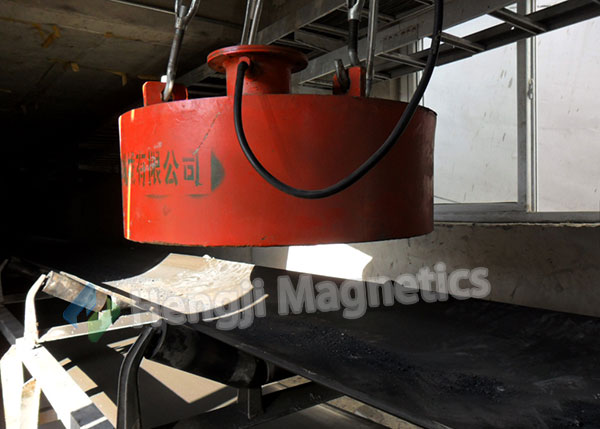
Beyond Height: Other Factors That Affect Performance
Issue 1: The Installation Angle Has Shifted
For many magnetic separator for belt conveyor models, the installation angle is crucial. If the magnet’s tilt has changed, its performance will drop. After adjusting the height, also check that the magnet’s angle matches the original installation specifications.
Issue 2: Buildup of Captured Tramp Metal
This is a critical maintenance task. The face of your magnetic plate separator must be kept clean. A thick layer of captured iron acts as a barrier. It increases the distance between the magnet and new tramp metal, effectively reducing its pull. Clean the magnet face regularly.
Issue 3: Misalignment with the Material Trajectory
Your magnet needs to be in the right spot. For a head pulley installation, ensure the magnet’s center is aligned with where material is thrown. If the material stream flows past the edge of the magnet, it won’t be captured. Center your magnetic separator for belt conveyor over the active material path.
Your Systematic Troubleshooting Checklist
Follow this logical order to diagnose and solve most pull-power problems:
-
Check Height First: Always start by measuring and adjusting the suspension height of your magnetic plate separator. This solves the majority of issues.
-
Verify the Angle: Ensure the magnet is tilted at the correct angle to the belt, as per the installation drawing.
-
Clean the Magnet: Manually remove all accumulated ferrous debris from the magnet face and discharge area.
-
Check Alignment: Make sure the magnet is centered over the belt and aligned with the main material flow.
When to Call for Professional Support
If you have checked all the above factors and your magnetic separator for belt conveyor is still underperforming, a deeper issue may exist. This could involve internal magnet damage (in permanent models) or electrical problems (in electromagnetic models). At this point, contact your equipment supplier or a qualified technician for further diagnosis.
Conclusion: Restore Peak Performance Quickly
Don’t accept weak magnetic pull. In most cases, the fix is straightforward. By simply lowering your magnetic plate separator to the correct height and performing basic checks, you can restore its full power. This ensures your magnetic separator for belt conveyor continues to protect your downstream equipment and product purity effectively.


