


 Categories
In a coal-fired power plant, the fuel handling system is the plant’s lifeline. Millions of tons of coal move along conveyors, bound for crushers and finally the boiler. But hidden within that coal stream lies a devastating threat: tramp iron. Rebar fragments, angle iron, roof bolts, and other long, sharp ferrous objects are the number one cause of catastrophic conveyor belt rips. A single tear can cost hundreds of thousands of dollars in lost production and emergency repairs. The conveyor belt magnetic separator, specifically a well-placed suspended magnetic separator, is the power plant’s primary defense, extracting these killers before they can strike.
The Threat: How a Piece of Steel Rips a Belt
Understanding the threat explains why magnetic separation is so critical. A long, sharp piece of metal entering the coal stream can destroy a belt in three ways:
-
Puncture and Tear: As coal falls onto the belt, a rebar fragment may land at an angle, embedding itself. As the belt travels, the embedded metal is forced against idlers or the head pulley, levering and slicing the belt open.
-
Jamming and Grinding: A steel object jams at a transfer point or under a chute. The belt continues moving, stretching and abrading against the trapped metal until it splits.
-
Downstream Destruction: If tramp iron reaches the crusher, it shatters hammers, damages screens, and can halt the entire coal preparation process, indirectly causing belt damage from stopped equipment and debris.
 The Defense: A Multi-Layer Magnetic Shield
Power plants deploy conveyor belt magnetic separator systems in a layered defense, with the suspended magnetic separator as the primary weapon.
The Head-End Separator: The Final Line of Defense
-
Position: Installed just ahead of the head pulley, at the discharge point where coal leaves the belt.
-
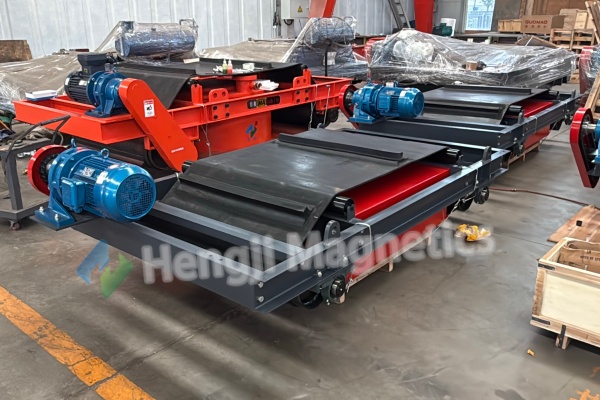
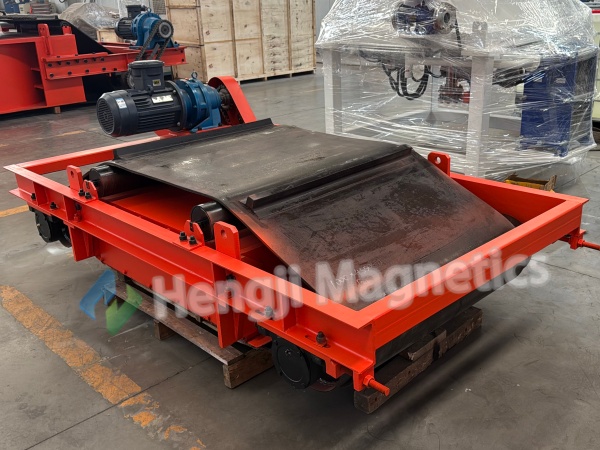
How It Works: A powerful electromagnet or permanent magnet, suspended above the belt, generates a field that penetrates the entire coal burden. As the coal stream passes underneath, ferrous objects—including heavy, deeply buried rebar—are ripped from the flow and pulled up to the magnet face.
-
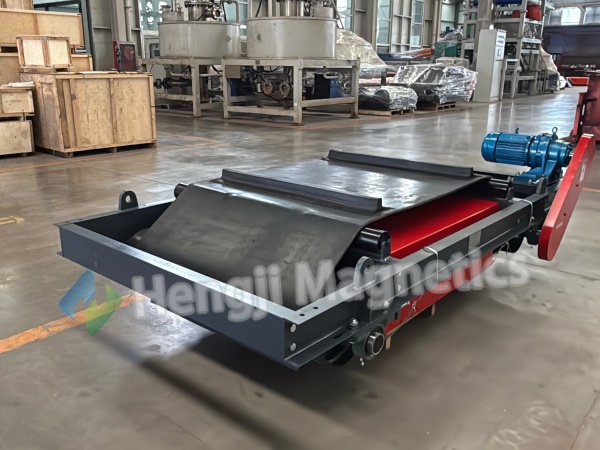
Continuous Discharge: A self-cleaning conveyor belt magnetic separator features a continuously moving belt that carries captured iron sideways and drops it into a collection bin. This happens automatically, without stopping the main conveyor.
-
Tactical Value: This is the last, best chance to stop tramp iron before it falls off the head pulley—the exact point where it can jam and cause a catastrophic belt tear.
The In-Line Separator: The Forward Sentinel
-
Position: Suspended over the conveyor at a mid-point, often after a transfer station.
-
Role: Acts as a scalping unit, removing a portion of the tramp iron burden before it reaches the head end. This reduces the load on the final suspended magnetic separator and provides backup protection.
Chute Magnets: The Specialized Cleaner
-
Position: Installed inside enclosed chutes or spouts at transfer points.
-
Role: Captures iron in confined spaces, protecting transfer points from jams and providing additional protection in areas where a conveyor belt magnetic separator cannot be suspended.
 Real-World Performance: What Makes a Separator Effective
A suspended magnetic separator‘s ability to stop belt rips depends on three critical factors:
-
Magnetic Strength and Depth: The magnet must generate a field powerful enough to reach through the deepest coal burden and lift the heaviest, longest ferrous objects. This requires careful specification based on belt width and tonnage.
-
Correct Positioning: The conveyor belt magnetic separator must be installed at the optimal height and angle, calculated from belt speed and material trajectory, to ensure every piece of tramp iron is exposed to the field.
-
Reliable Discharge: A self-cleaning mechanism is mandatory in power plant applications. Manual cleaning is impractical and dangerous in continuous, high-tonnage operations.
The Selection Decision: Permanent vs. Electromagnetic
Power plants have two main options for their suspended magnetic separator:
-
Permanent Magnets: Zero operating energy, no maintenance, fixed magnetic field. Ideal for continuous, stable operation.
-
Electromagnets: Adjustable field strength, can be de-energized to release jammed iron, but require power and cooling. Better suited for applications with highly variable tramp iron loads.
 Beyond Belt Protection: The Power Plant Value
Investing in a quality conveyor belt magnetic separator delivers returns far beyond preventing belt rips:
-
Crusher Protection: Removing tramp iron prevents catastrophic damage to expensive crushers, screens, and mills.
-
Reduced Downtime: Every hour of unplanned conveyor downtime costs thousands in lost generation or purchased power.
-
Lower Maintenance: Fewer idlers, pulleys, and belts damaged by abrasion from tramp metal.
-
Improved Safety: Eliminates the risk of fire from metal sparks in the coal stream and the danger of manual metal removal.
-
Operational Insight: The iron collected can be analyzed to trace its source, improving upstream maintenance practices.
Conclusion: The Magnet That Mines the Coal Stream
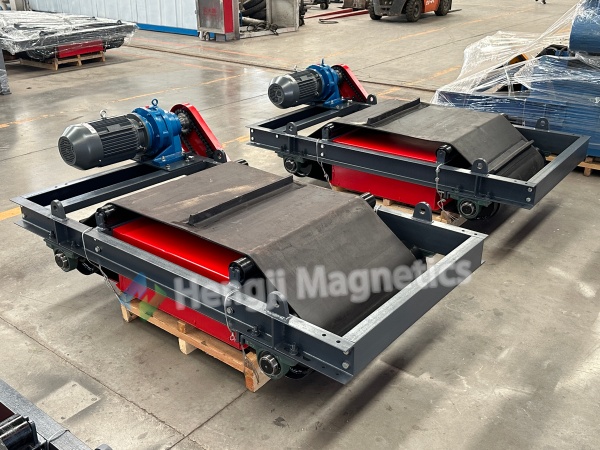
In a power plant’s coal handling system, a suspended magnetic separator is not an accessory. It is a critical safety and reliability asset. It works silently and continuously, mining the coal stream for hidden explosives—the rebar, bolts, and scrap that can destroy a belt in seconds. By extracting these threats, the conveyor belt magnetic separator protects the plant’s fuel supply, safeguards millions in equipment, and ensures the steady, reliable operation that power generation demands. It is, quite simply, the most important insurance policy a coal-fired plant can buy.


