


 Categories

In cement, chemical, plastics, coal, refractories, building materials, and food industries, some workstations have no conveyor belt. Only a discharge chute or a section of conveying pipe is available. Material moves inside a closed pipe, and tramp iron mixed into the material cannot be seen by the naked eye. The bullet magnet is designed for these conditions. It combines a non-magnetic pipe section and a permanent magnet. It is used specifically for iron removal from non-magnetic materials inside closed pipes. The magnet separator uses high-performance rare earth permanent magnets in a composite magnetic circuit. It is small, powerful, lightweight, clean in iron removal, energy-free, and long-lasting. This article explains installation angle, dust and carryover control, material temperature, environment, a cement case, maintenance, and selection.
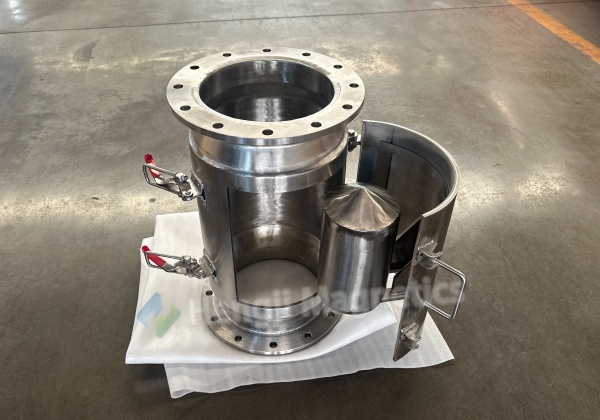
How the Bullet Magnet Removes Iron from Closed Pipes
Working Principle of the Magnet Separator
The basic principle is inclined installation and series connection with the material conveying pipe. When material passes through the bullet magnet, the raw material slides by inertia. Ferrous material is attracted to the bottom wall of the pipe and moves forward with the moving magnetic assembly. When the material reaches the separation point, it has some velocity from inertial sliding. There is a drop between the separation point and the material outlet. The velocity and drop form a parabolic trajectory that throws the material out of the equipment. The magnet separator therefore separates iron from material inside the closed pipe. Correct installation angle is essential for this process.
Why the Installation Angle Must Meet Design Requirements
Customers often encounter material leakage after installation. This is usually caused by an installation angle that does not meet the design requirement. The pipe inclination must reach the design angle. Otherwise, material leakage will occur. This point is emphasized repeatedly in installation instructions for the bullet magnet. The magnet separator should be installed at the correct angle and connected in series with the conveying pipe. If the angle is wrong, the material trajectory changes and separation performance drops.
Dust and Carryover Control for the Magnet Separator
Hidden Iron Outlet and Gravity Discharge
Ferrous material moves with the magnetic assembly to the concealed iron outlet at the bottom of the bullet magnet. The magnetic assembly rotates in the opposite direction. Iron loses magnetic attraction at the outlet and falls by gravity. A small amount of material may be carried out with the iron. Even a small amount can create dust, which wastes material and pollutes the environment. The magnet separator therefore requires negative pressure inside the pipe.
Negative Pressure and Dust Collection
If the installation pipe already has negative pressure, no additional equipment is needed. If there is no negative pressure, an external dust collection pipe must be connected. This is an important point for the bullet magnet. The magnet separator should be installed with dust control from the start. Negative pressure inside the pipe helps contain dust and keeps the workplace clean.
Material Temperature and Environmental Conditions
Temperature Limits for the Bullet Magnet
Material temperature must be confirmed before installation. Different specifications of the bullet magnet have different material temperature limits. Pipe inclination, pipe negative pressure, and ambient temperature also have corresponding requirements. The magnet separator should be selected with the correct temperature rating. If the material is hot, heat-resistant magnets should be used. This prevents magnet damage and maintains stable iron removal.
Indoor and Outdoor Installation
The bullet magnet should preferably be installed indoors. If installed outdoors, rain protection must be added. Pipe negative pressure should generally be not lower than -50 Pa. These conditions ensure reliable operation of the magnet separator. The bullet magnet should be checked against site conditions before installation.
Case Study: Bullet Magnet in Cement Powder Conveying
Solving Leakage and Dust Problems
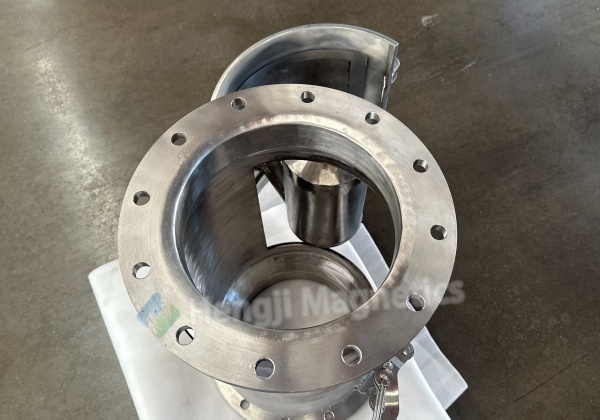
A cement company had a discharge chute with no space for belt-type iron removal equipment. Iron in the material could only be found by manual inspection during shutdowns. After installing a pipeline iron removal device, dust at the iron outlet and occasional material leakage occurred. Hengci Magnetic reviewed the installation conditions. The pipe inclination was adjusted to the design angle. An external dust collection pipe was connected to provide negative pressure. The magnet temperature rating was checked against the powder temperature. After adjustment, leakage and dust problems were solved. The bullet magnet was connected in series in the pipeline and performed continuous automatic iron removal. No dedicated operator was required after startup. This case demonstrates the value of the magnet separator in real production.
Maintenance and Safety
Daily Maintenance for the Bullet Magnet
Daily maintenance is simple. If no special fault occurs, routine checks mainly involve cleaning dust around the equipment. At the end of each work cycle, clean iron attached to the magnetic system promptly. Clean it thoroughly to avoid unnecessary magnetic consumption. After each iron discharge, tighten the equipment. These practices keep the magnet separator reliable.
Safety Around the Magnet Separator
The magnetic system of the bullet magnet uses strong permanent magnets. The holding force is very strong. Do not use ferrous tools or sharp objects near the magnetic field. Iron removal must be done manually with gloves. Do not use ferrous or magnetic tools. Do not wear watches or use powered tools during iron removal. The magnetic field can seriously damage heart pacemakers. People with pacemakers must not approach the equipment. Do not bring magnetic storage devices near the magnet separator, such as computer hard drives, tapes, credit cards, or mobile phones. These devices may become unusable. Follow these safety rules when working around the bullet magnet and magnet separator.
Conclusion: Choose the Right Bullet Magnet and Magnet Separator
Selecting a bullet magnet and magnet separator means matching material name, particle size, flow rate, pipe size, material temperature, and site negative pressure. Provide these details to Hengci Magnetic. We will configure the installation angle, magnetic system, and whether an external dust collection pipe is needed. With the right bullet magnet and magnet separator, invisible tramp iron in closed pipes is intercepted before it reaches downstream equipment. Production runs more smoothly, dust is controlled, and maintenance costs drop.


