


 Categories
In the metallurgical, mining, power generation, and coal preparation industries, vast quantities of low-grade magnetic mineral slurry are generated daily at the end of processing circuits. How to efficiently recover ferrous media or valuable minerals from seemingly waste tailings, coal wash water, and steel mill sludge, achieving secondary resource utilization and zero discharge, is a critical challenge for many operations. The disc magnetic separator has emerged as a core technology in magnetic separation for recycling, specifically designed to handle high-flow, low-grade tailings streams. This article explores its working principles, performance characteristics, and how it addresses customer concerns about throughput, recovery efficiency, and long-term maintenance.
How Does a Disc Magnetic Separator Work for Magnetic Separation for Recycling?
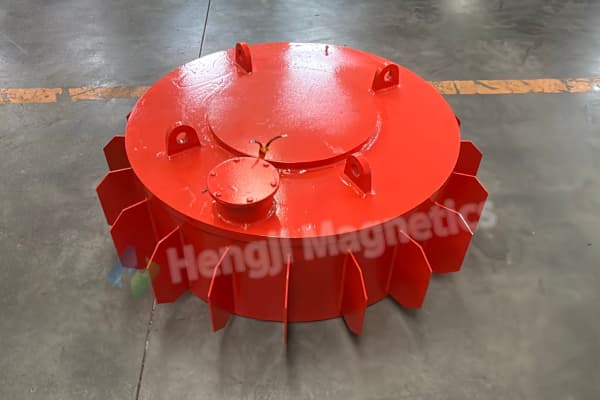
The design of the disc magnetic separator differs fundamentally from conventional drum separators. Its separation core consists of a series of magnetic discs, each made of exposed permanent magnet blocks arranged coaxially with precise gaps between them. As tailings slurry enters the feed trough, it flows evenly through the narrow gaps between adjacent rotating discs.
Within these gaps, the permanent magnetic field acts directly on the flowing slurry. Magnetic media particles or strongly magnetic mineral grains are instantly attracted to the high-speed rotating disc surfaces. As the discs continue to rotate, the magnetic particles are carried above the liquid level to a V-shaped scraper positioned above each disc. The scraper forces the magnetic product off the disc surface without requiring large volumes of rinse water, allowing the material to flow by gravity into the collection launder. This compact “disc-capture/scraper-discharge” cycle enables the disc magnetic separator to achieve superior recovery from dilute, high-flow tailings streams compared to traditional equipment.
 How Does a Disc Magnetic Separator Maintain Stable Recovery and Resist Abrasion?
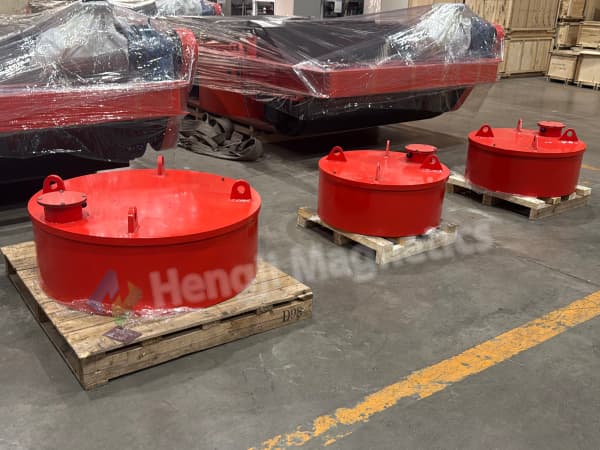
For customers using a disc magnetic separator in magnetic separation for recycling, the key concerns are stable recovery over long operating periods and resistance to slurry abrasion. The disc magnetic separator is specifically optimized for these challenges.
The discharge system uses a non-contact forced scraper mechanism. A thin protective layer of captured mineral powder remains on the disc surface, acting as a “armor” that prevents direct abrasive contact between the disc body and the slurry. As a result, disc surface wear is minimal, and the overall service life is 8 to 10 times longer than conventional drum separators. The compact magnetic pole arrangement ensures there are no dead zones between discs—all material passing through the gaps is exposed to the field, achieving stable recovery rates of 85% to 95%. This combination of high recovery and extended life means the disc magnetic separator delivers sustained value with very low maintenance costs, minimizing production losses from frequent component replacement.
What Are the Water-Saving and High-Throughput Benefits of a Disc Magnetic Separator?
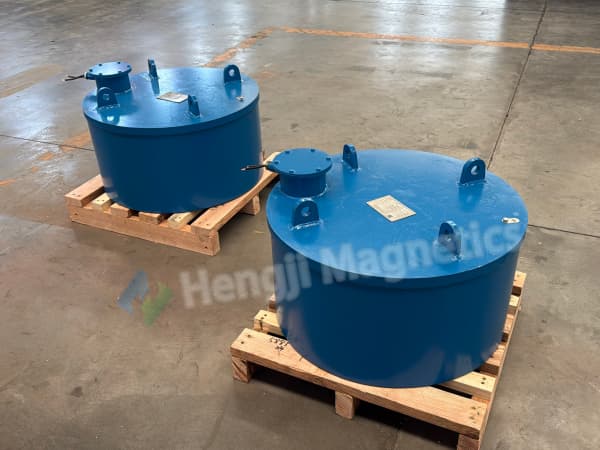
Another major advantage of the disc magnetic separator in magnetic separation for recycling is its exceptional water conservation. Traditional wet magnetic separators require large volumes of rinse water during discharge, which burdens downstream thickening circuits and increases overall plant water consumption.
The disc magnetic separator, however, uses a V-shaped scraper for forced discharge. The recovered magnetic product already contains sufficient moisture to flow freely by gravity, so little or no additional water is needed. This results in a high-density magnetic product that is easy to handle, store, or feed directly to the next process stage. The equipment also handles exceptionally high throughput—its design is specifically for low-grade, high-flow tailings, with single-unit capacity several to ten times that of conventional drum separators. Combined with a compact footprint and low energy consumption, the disc magnetic separator delivers outstanding economic returns in magnetic separation for recycling, often yielding annual benefits tens of times the initial equipment investment.
Which Applications Benefit Most from a Disc Magnetic Separator?
The disc magnetic separator is widely used wherever magnetic separation for recycling is needed to recover magnetic values from dilute, high-flow streams:
-
Coal preparation plants: Recovering magnetite heavy media from wash water to reduce reagent consumption and tailings losses.
-
Iron ore tailings: Recovering fine magnetite and hematite from final tailings to boost overall plant recovery.
-
Steel mill sludge: Separating iron-bearing particles from rolling mill scale and dust sludge for reuse in sintering.
-
Non-ferrous tailings: Pre-concentrating magnetic minerals from copper, lead-zinc tailings before further processing.
In each case, the disc magnetic separator enables efficient magnetic separation for recycling that would be impractical with conventional equipment.
 What Maintenance Does a Disc Magnetic Separator Require?
Field experience with disc magnetic separators in magnetic separation for recycling confirms that maintenance is minimal compared to other wet magnetic separators:
-
Daily: Check that scrapers are correctly positioned and free of wear. Inspect feed distribution to ensure even flow across all disc gaps.
-
Weekly: Monitor disc clearance—if any disc shows unusual wear, measure the protective layer thickness and adjust feed conditions if needed.
-
Monthly: Verify drive chain tension and lubrication. Clean any buildup from the scraper housing.
-
Annually: Replace scraper blades if worn. Inspect magnet blocks for signs of corrosion or mechanical damage (rare due to full sealing).
Because the disc surfaces are not in direct abrasive contact, the disc magnetic separator requires much less frequent major maintenance than drum or roll separators. Most users report only a few hours of maintenance per month.
Conclusion: The Key to Sustainable Tailings Resource Recovery
The disc magnetic separator is purpose-built for high-efficiency magnetic separation for recycling of low-grade, high-flow tailings and slurries. With its non-contact discharge, protective surface layer, high recovery rates, water-saving design, and exceptional throughput capacity, it transforms waste streams into valuable resources. For coal preparation, iron ore processing, steel mill sludge, and non-ferrous tailings, the disc magnetic separator delivers economic and environmental benefits that far exceed its modest capital cost. Choose a reliable disc magnetic separator and turn your tailings into a revenue stream.


