


 Categories
In non-metallic minerals, refractories, abrasives, ceramic glazes, and chemical powders, ferrous contamination is a persistent challenge. A tiny iron particle can downgrade high-purity quartz sand, create black spots in ceramic glazes, or cause uneven hardness in precision abrasives—leading to product downgrades, customer complaints, and brand damage. Traditional iron removal methods are either inefficient or require frequent shutdowns for cleaning—never quite meeting the demands of continuous production for stability and reliability.
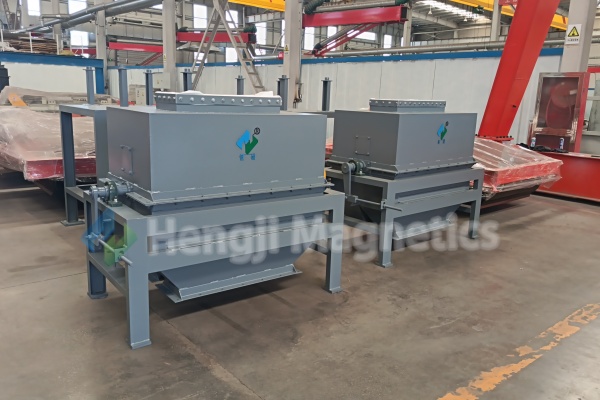
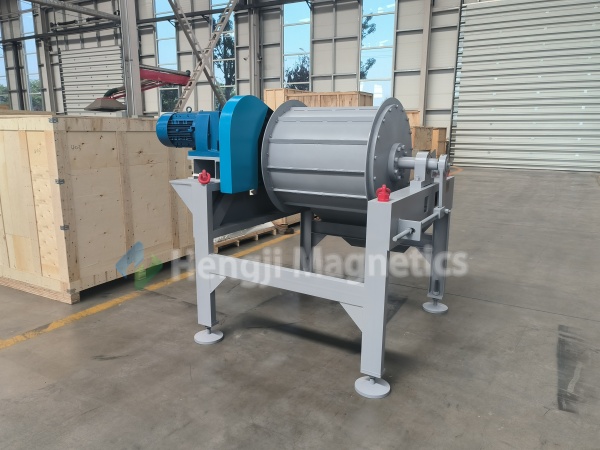
The permanent magnetic separator with dry magnetic separator technology was developed specifically to solve these problems. It integrates the high-efficiency magnetic separation of permanent magnets with the water-free advantages of dry processing—no slurrying, no drying, just continuous automatic iron removal from dry powders. The magnetic field is computer-optimized with a unique magnetic circuit, using high-performance Neodymium magnets as the magnetic source. The drum surface delivers high field strength and deep penetration—capturing even weakly magnetic particles. Captured iron is automatically discharged as the drum rotates out of the magnetic field, requiring no manual intervention—truly “unattended, continuous operation.”
Customer Concern 1: Can the Permanent Dry Magnetic Separator Meet High-Purity Requirements?
A premium ceramic glaze manufacturer had long struggled with micron-sized iron impurities causing black spots in glazes, with product qualification rates stuck at around 85%—annual quality losses exceeding one million yuan. The company had tried multiple separators in series, but results remained unsatisfactory, with high maintenance and energy costs.
After introducing the permanent dry magnetic separator, the situation transformed. The multi-layer magnetic grid design fully utilizes the strong magnetic field, with powder passing through layer after layer for thorough iron removal. The magnetic assembly is fully sealed inside a stainless steel drum, isolated from material—eliminating secondary contamination. After installation, product qualification rates rose from 85% to over 98%, and glaze black spots were virtually eliminated. Quality-related losses dropped by approximately 70%. The equipment has run continuously for two years with no demagnetization and virtually zero maintenance costs.
 Customer Concern 2: Can the Permanent Dry Magnetic Separator Handle Different Particle Sizes and Temperatures?
A refractory material processor handled powders with a wide particle size range—from coarse grains to fine powders—with material temperatures often exceeding 60°C. Previous separators suffered rapid demagnetization at high temperatures and severe drum surface wear, requiring core component replacement within six months—severely disrupting production.
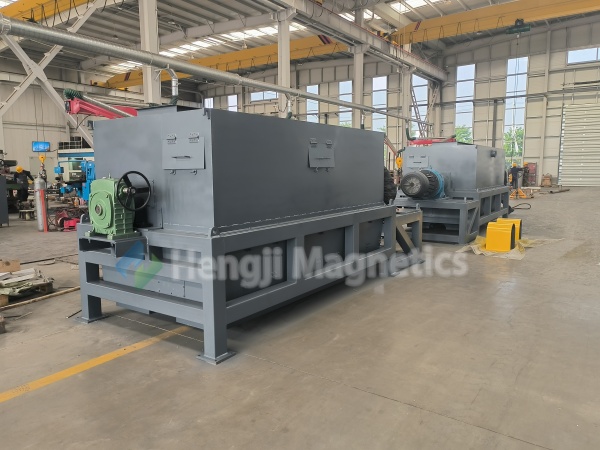
The dry magnetic separator uses high-temperature Neodymium magnets, capable of continuously removing ferrous contaminants from powders up to 125°C—solving the demagnetization problem at elevated temperatures. The 304 stainless steel drum, combined with special wear-resistant liners, significantly improves abrasion resistance. The compact design installs in-line in powder conveying pipelines, requiring only about one meter of space—commissioning typically completed within half a day of delivery. The refractory plant has now operated the permanent magnetic separator for over 18 months with no core component replacement, minimal drum wear, stable reliable operation, and plant uptime exceeding 99%.
 Customer Concern 3: Are Energy and Operating Costs High?
The permanent dry magnetic separator uses permanent magnets for attraction—electricity is only required for drum rotation, with intermittent discharge operation. Total power consumption is extremely low—saving over 60% energy compared to conventional electromagnetic separators. No water is required, no slurrying, no wastewater discharge—fully compliant with green manufacturing requirements. From startup to shutdown, no dedicated attendant is required—even small and medium-sized enterprises can easily achieve automated iron removal, significantly reducing labor costs.
Conclusion
From ceramic glazes to high-purity quartz, from refractories to abrasives, from chemical powders to grain and feed, the permanent magnetic separator with dry magnetic separator design is helping more operations break through iron contamination bottlenecks with high-efficiency iron removal, intelligent operation, and energy-saving performance—delivering stable product quality upgrades. Choose the permanent dry magnetic separator—equip your production line with an ever-vigilant magnetic guardian.


