


 Categories

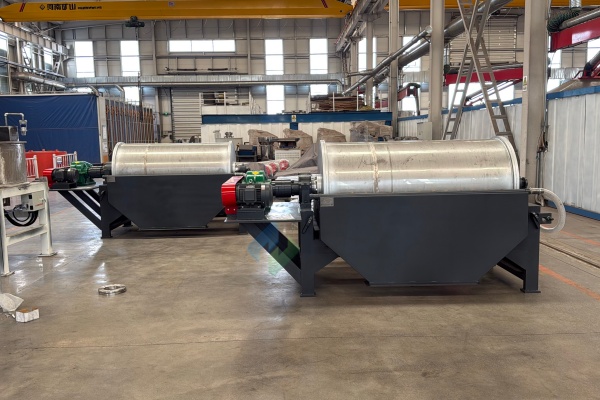
In cement, mining, steel, abrasives, refractories, non-metallic mineral processing, carbon black, grain, feed, chemicals, and waste treatment, tramp iron often hides beneath the material layer where suspended magnets cannot reach. The rare earth drum magnetic separator and the rotary drum magnetic separator are designed for exactly this challenge. They place a strong magnetic system inside the drum and use drum rotation to carry captured iron out of the magnetic zone. Hengci Magnetic has extensive field experience with these permanent magnetic drum units. This article answers common questions about magnetic decay, drum strength selection, shell options, installation, temperature limits, discharge methods, and maintenance.
Why Choose a Rare Earth Drum Magnetic Separator for Deep-Buried Iron
Magnetic System Built into the Drum
Customers ask first whether the magnetic force will decay over time. The rare earth drum magnetic separator uses high-performance strong magnetic materials in a composite magnetic circuit. It provides high field strength, deep magnetic penetration, and no demagnetization after years of use. The magnetic field is stable and maintenance-free. Under normal conditions without external environmental impact, natural magnetic decay is very small. The service life is long, and the core magnetic circuit can carry an eight-year quality guarantee.
Rotary Drum Magnetic Separator for Material Buried Under the Belt
Deep material layers and iron pressed at the bottom are where drum-type equipment outperforms suspended units. When installed on a belt conveyor, the rotary drum magnetic separator removes tramp iron buried under the material more effectively than a suspended separator. It can also be used together with a suspended separator to separate iron from thicker material layers. This makes the rare earth drum magnetic separator a practical choice for primary iron removal before crushers and mills.
Magnetic Strength Selection for the Rotary Drum Magnetic Separator
Standard and Special Field Strength Grades
Magnetic strength must match the material. The drum surface field strength of the rotary drum magnetic separator covers a wide range for easy selection. Standard models provide 150 to 250 mT. Special models provide 300 to 400 mT. Custom values are also available. Correct field strength selection directly determines whether iron can be lifted from the material layer. If the field is too low, iron remains in the product. If the application requires deeper reach, a stronger rare earth drum magnetic separator configuration should be specified.
Drum Shell Material and Surface Options
The drum shell material and surface form also affect performance. The rare earth drum magnetic separator uses a stainless steel shell. The outer surface can be supplied as plain stainless steel or rubber-lagged. Rubber lagging options include plain, diamond, and herringbone patterns. Rubber lagging helps carry material when moisture and viscosity are high. Herringbone lagging requires the shaft direction to be specified at ordering. These options make the rotary drum magnetic separator adaptable to different material conditions.
Installation Flexibility and Temperature Limits
Standalone, Drive Pulley, and Combined Use
Installation can be adapted to site conditions. The rotary drum magnetic separator can be used as a standalone separation device to continuously remove ferrous material from conveyed product. It can also be installed in fixed conveying machinery as a drive pulley for separation. For standalone use, fix the bearing supports in the designated positions and adjust the drum centerline parallel to the horizontal plane. Align the drum center longitudinal section with the working direction. Then adjust the tie rod until separation performance is good. This flexibility makes the rare earth drum magnetic separator suitable for both new plants and retrofits.
Material Temperature Limits for the Rare Earth Drum Magnetic Separator
Material temperature is often overlooked until after installation. Standard permanent magnetic equipment has a limited magnet temperature tolerance. The maximum material temperature is generally not more than 80°C. Above this temperature, a high-temperature model must be used. Overheating can cause the magnetic field to drop rapidly and eventually reach zero. Therefore, state the material temperature clearly before ordering. This is much easier than replacing magnets later. The rotary drum magnetic separator should always be selected with the correct temperature rating.
Discharge Methods and Energy Savings
Full-Magnetic and Half-Magnetic Drum Options
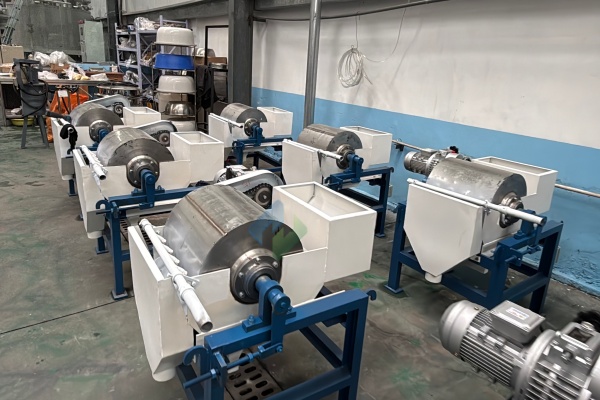
The discharge method must be planned in advance. A full-magnetic drum used alone requires an additional discharge device. A half-magnetic drum has a simple, compact structure and is easy to install and use. The equipment itself does not consume power to generate the magnetic field, saving energy. The rare earth drum magnetic separator therefore offers low operating cost. The rotary drum magnetic separator can be configured with the appropriate discharge arrangement for the application.
Continuous Separation Without a Discharge Belt
In some designs, captured iron is carried directly by the drum surface out of the magnetic zone and then released naturally. This eliminates the discharge belt as a wear part. For abrasive or sharp tramp iron, this can reduce maintenance and downtime. The rare earth drum magnetic separator is available in configurations that suit these demanding conditions.
Case Study: Rare Earth Rotary Drum Magnetic Separator in Steel Slag Processing
Reducing Belt Damage and Downtime
A steel slag processing company reported large amounts of sharp, heavy tramp iron in its material. The previous belt-type magnetic separator had belts that were frequently punctured and torn. Belt replacement was frequent, and downtime was high. Hengci Magnetic supplied a rare earth drum magnetic separator with a strong composite magnetic circuit. The drum surface carried iron directly out of the magnetic zone, where it detached naturally. This eliminated the discharge belt as a wear part. The stainless steel shell with optional rubber lagging handled the abrasive material. The magnet temperature rating was checked against the material temperature. After commissioning, iron separation remained continuous. Downtime caused by belt damage dropped significantly. This case demonstrates the value of the rotary drum magnetic separator in harsh recycling applications.
Safety and Maintenance Tips
Protecting the Magnetic System and Bearings
External environmental impact can accelerate magnetic decay. Avoid long-term high-temperature material accumulation on site. During installation and maintenance, prevent AC current from passing through the magnet. Avoid severe vibration during transport, and store the unit in a shockproof, moisture-proof place. Lubricate bearings regularly. Observe the separation performance daily and clean the interior promptly. The rare earth drum magnetic separator requires only routine care to maintain reliable performance.
Magnetic Field Safety Around the Rotary Drum Magnetic Separator
A strong magnetic field is present around the rotary drum magnetic separator. Do not place watches or instruments nearby. Operators must not carry sharp ferrous tools or objects close to the unit. These precautions prevent injury and equipment damage.
Conclusion: Choose the Right Rare Earth Drum Magnetic Separator and Rotary Drum Magnetic Separator
Selecting a rare earth drum magnetic separator and rotary drum magnetic separator means matching material name, particle size, moisture content, material temperature, belt width and speed, and iron size and frequency. Provide these details to Hengci Magnetic. We will configure the magnetic strength grade, drum surface form, installation method, and whether a separate discharge device is needed. With the right rare earth drum magnetic separator and rotary drum magnetic separator, deep-buried iron is captured before it reaches downstream equipment. Production runs more smoothly, and maintenance costs drop.


